
 Login
Login
 Stores
 Cart
Cart
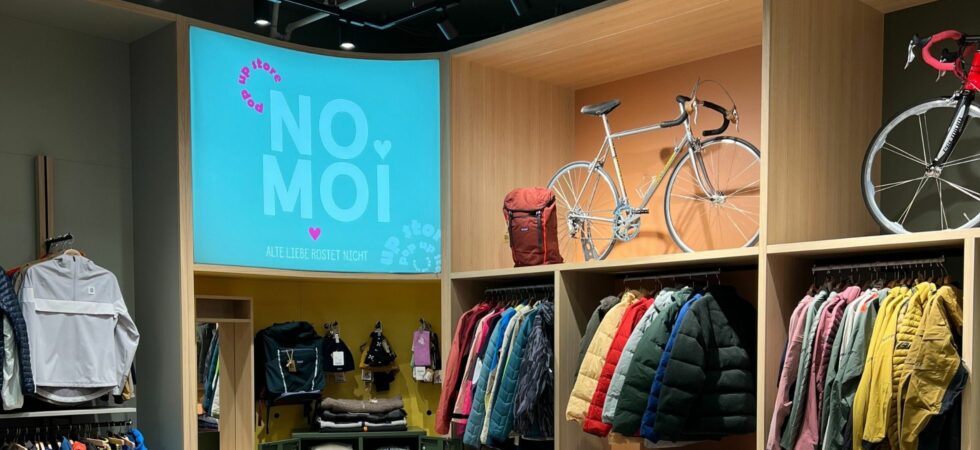
I grew up in a time when “secondhand” meant one thing only: musty, worn-out clothes. It was the early 1990s. There was no Vinted, no vintage hype. Secondhand was, in short, uncool – and anyone who cared about their image bought new. Clothes that had previous owners? Nobody wanted or needed that. It was the decade of more. Faster. Too much. Of everything.
Thankfully, it’s now 2026 – and secondhand is no longer musty or dusty. Secondhand is now preloved. Pieces that tell stories. Items that aren’t off the rack. Clothing with individuality and expression. Things that may no longer fit one life, but fit another perfectly. It’s about emotions. Memories. Not always faster, always further. It’s about pausing. Allowing breaks. Letting things be.
SLOW FASHION INSTEAD OF FAST FASHION
With our secondhand pop-up store NOMOI and our secondhand program NOMOI, we want to create a counter-design to the constant faster, further, more. Curated preloved pieces for people who love being outdoors. Who have a special connection to nature. Who are, quite simply, mountain-obsessed.
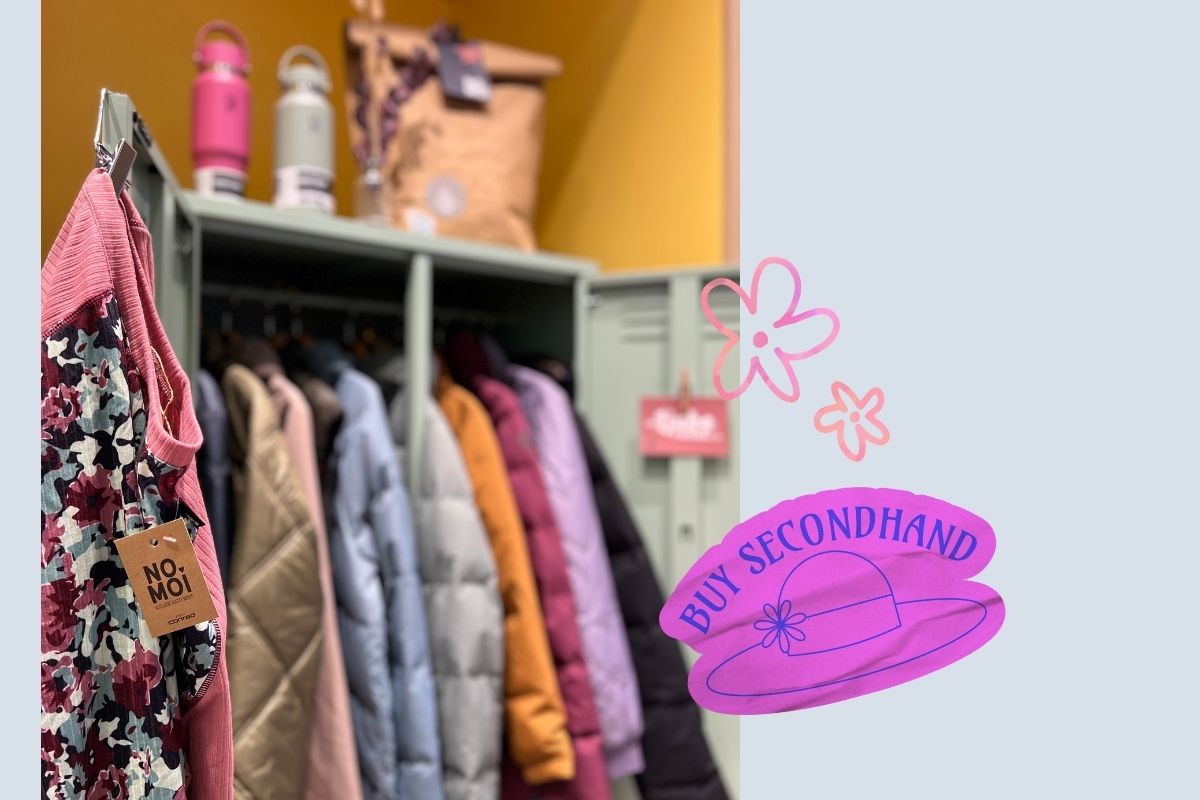
Curated preloved pieces are available at NOMOI, the secondhand program by Sport Conrad. Photo: Sport Conrad
Secondhand, however, is not a modern invention. For centuries, passing on clothing was completely normal. Clothing was expensive, which is why tears were sewn, holes were patched, and lengths and widths were adjusted. Passing garments on was a necessity in many families.
In major cities, secondhand took on a different character. Especially in the 19th century, it developed into its own economic sector. In cities like London and Paris, the trade in used clothing flourished. In German cities, used textiles were sold at markets – less out of ideology and more out of economic pragmatism.
The term “secondhand” itself only emerged in the 20th century. And it wasn’t invented by flea markets in Ibiza or vintage boutiques in Paris, but by British traders.
In the 1960s and 1970s, hippies and later punks made secondhand part of their counterculture. As different as these groups and ideologies were, they shared a common statement through secondhand: against mass consumption and for individuality.
With the rise of fast fashion in the 1990s and 2000s, secondhand faded somewhat from view. Buying secondhand now carried a social connotation: those with little money had to buy used. Everyone else bought new – a lot and fast. The term fast fashion was born.
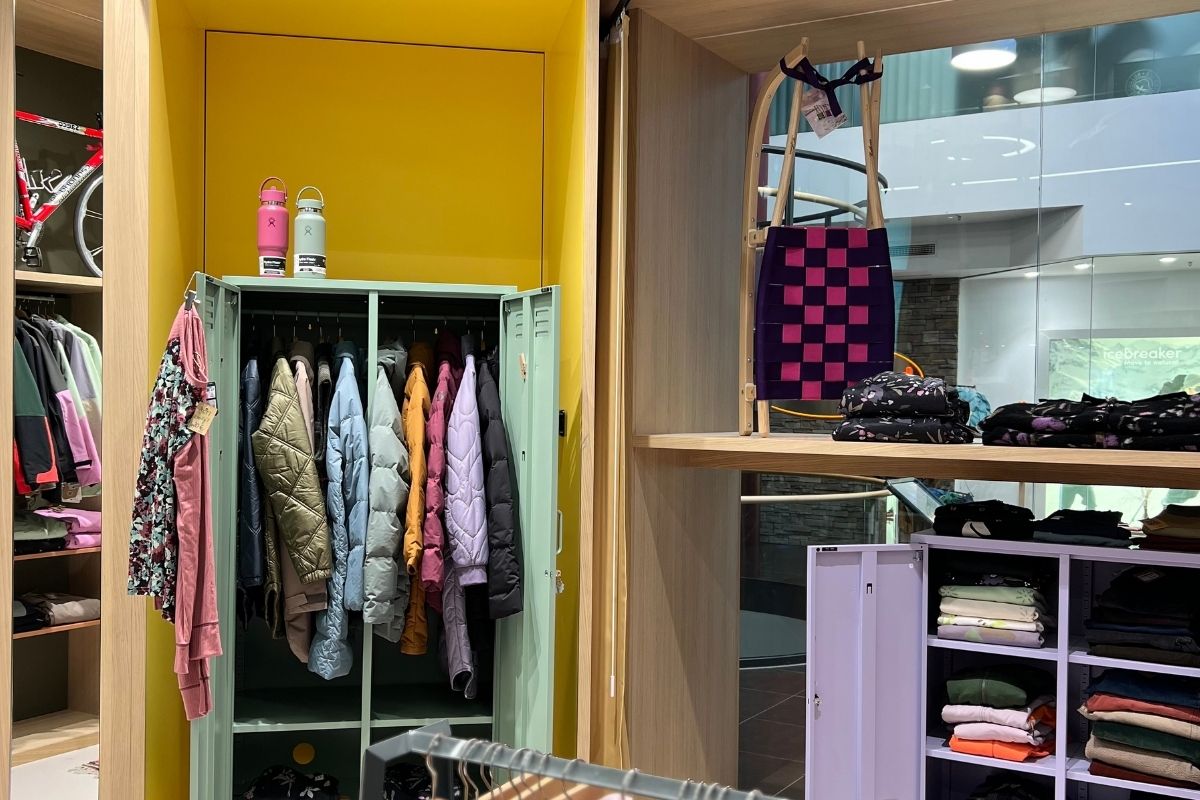
Secondhand has become indispensable in today’s outdoor industry. Photo: Sport Conrad
SECONDHAND IN THE 21ST CENTURY: FROM NICHE TO MAINSTREAM
What was once associated mainly with financial necessity is now bought out of conviction. Three factors are driving the boom:
Sustainability as a societal issue
The climate crisis has changed consumer behavior, especially among younger generations. According to Statista, 60 percent of Germans say they want to shop more sustainably. Buying durable products – including secondhand – is seen as a meaningful contribution to reducing CO₂ emissions.
Digital marketplaces
Platforms like eBay (since 1995) and Kleiderkreisel/Vinted (since 2009) have modernized resale, making it convenient and contemporary. Buying and selling used goods today is as easy as online shopping.
Investing instead of consuming – the next level of secondhand
According to the NXT Consumer Germany Report 2025, 46 percent of consumers now consider resale value when making a purchase. This means products have become assets. Quality pays off – emotionally, sustainably, and in the long term, financially as well.
3 REASONS WHY SECONDHAND MATTERS
1. Against overproduction, for resource conservation
The textile industry is responsible for up to 10 percent of global CO₂ emissions – more than air and maritime transport combined. At the same time, 87 percent of all textiles worldwide are discarded or incinerated. Every reuse doubles the lifespan of a product – and halves its ecological footprint.
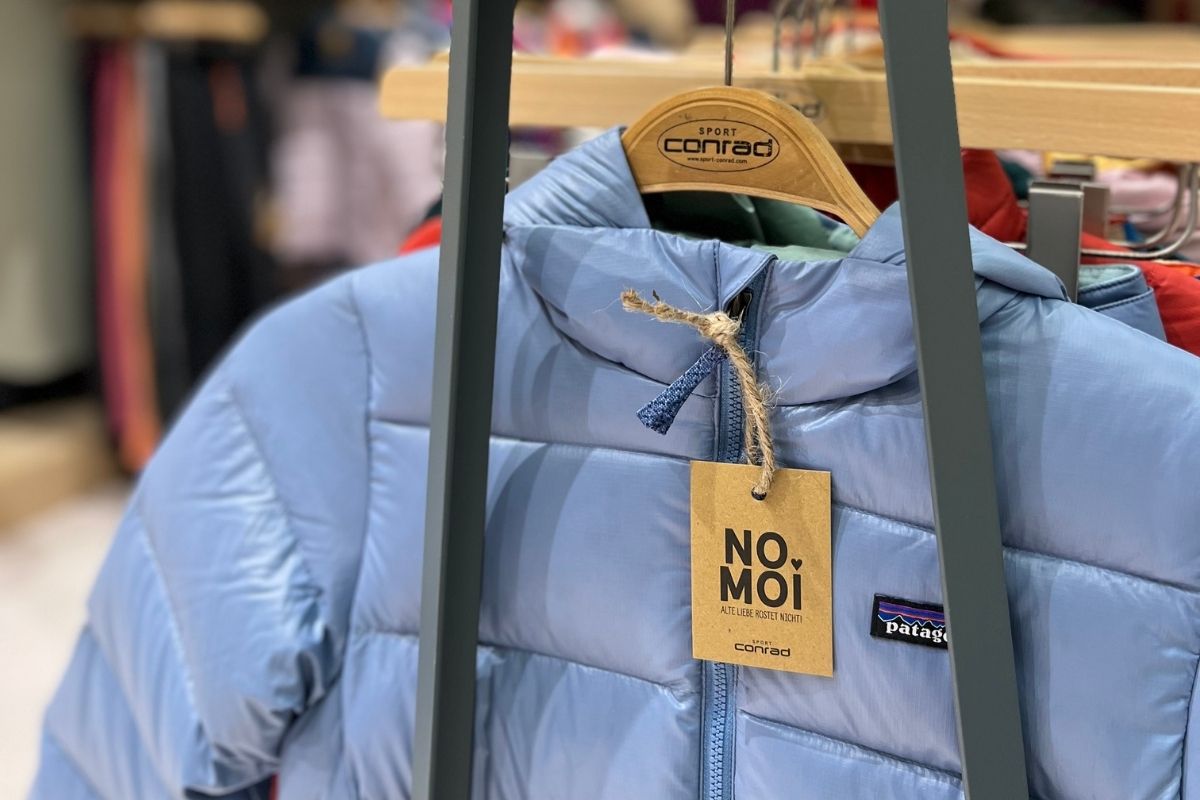
High-quality outdoor products can easily be bought secondhand without compromise. Photo: Sport Conrad
2. Quality is regaining importance
Outdoor products in particular have a clear advantage over fast fashion: they are technically advanced, durable, and now often repairable. A hardshell jacket, high-quality skis, or merino baselayers retain value sustainably. Buying used premium gear is no longer a compromise – in our view, it’s a smart way to get more out of your budget.
3. Promoting circularity instead of single-use production
Many brands and retailers – including us with NOMOI – are discovering secondhand as part of a long-term strategy. B2B experts like Fredrik Ekström show that secondhand is a growth driver, not a cannibal. Companies that establish their own take-back and resale programs benefit in the medium and long term.
Anyone who lives the outdoor lifestyle and loves nature knows: not everything has to be new. The future lies in hybrid use.
The ideal mix: buy new consciously, with high quality and longevity. And intelligently complement your outdoor gear with great secondhand pieces.
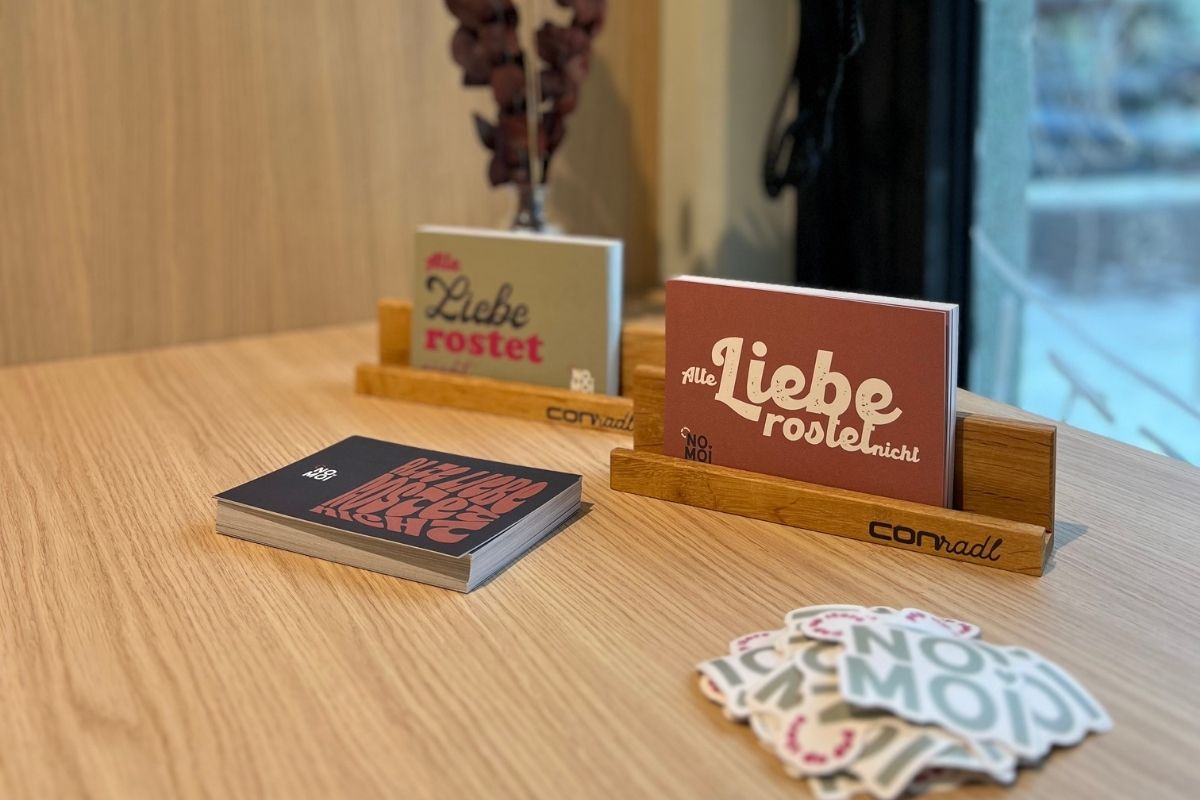
“An old flame never dies – it just moves on elsewhere.” That’s the motto of NOMOI. Photo: Sport Conrad
A quick overview:
| Category | Recommendation |
| Basics (fleece, midlayers, pants) | Very suitable secondhand |
| Performance items (hardshells, touring skis) | Premium secondhand |
| Safety equipment (avalanche transceiver, shovel, helmet) | Buy new – safety first |
| Footwear (mountaineering boots, ski boots) | Possible – but check fit carefully |
| Functional underwear | Possible, but check consciously for hygiene reasons |
You might also be interested in:
- How to: From sheep to functional clothing
- Buying advice: Which skis are right for me?
- Tips for responsible ski touring