
 Login
Login
 Stores
 Cart
Cart
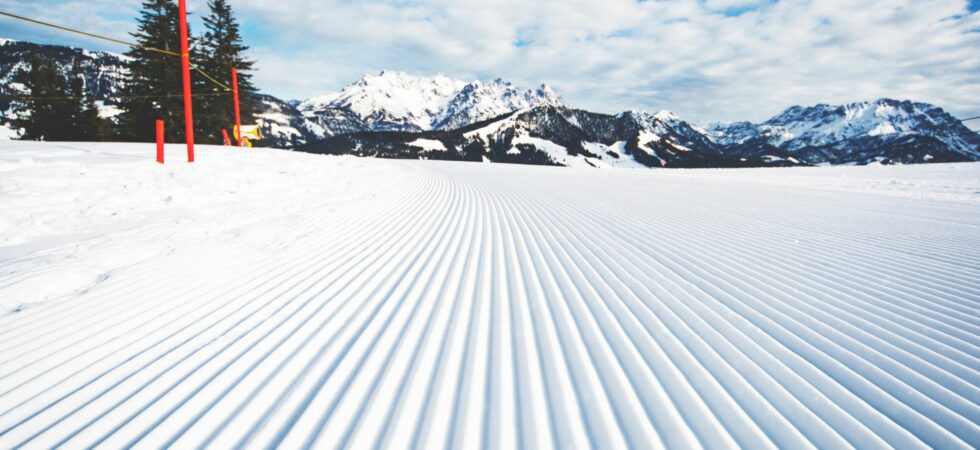
All-Mountain skis, race carvers, slalom carvers, park & pipe skis, freeride and freetouring skis, big mountain powder skis, telemark skis. That’s quite a statement to kick things off—and it’s also a full list (with a few subcategories) of what you’ll find at Sport Conrad. And yes, the selection is huge—probably bigger than ever. That’s a good thing, because it means you get the best possible choice. At the same time, we know that all these categories and subcategories can be confusing, especially if you’re new to skiing. That’s why this guide sums up everything you need to know and answers the key question: Which skis are right for me?
In this guide, you’ll learn what matters most when choosing the right type of ski, how to adjust ski length and bindings, and where to find suitable models directly in the Sport Conrad online shop or in one of our Sport Conrad stores.
Because only skis that match your ability, your skiing style, and your preferred terrain will truly help you progress—and keep you smiling. After all, what is skiing really about? Having fun.
THE MOST IMPORTANT DECISION CRITERIA WHEN BUYING SKIS
Before choosing a model, you should define four key factors: your preferred terrain and use, your experience level, your physical requirements, and your personal preferences.
1. Terrain & skiing style: Where and how do you like to ski?
The most important question of all: Where do you want to ski? If you love groomed slopes and appreciate everything a ski resort offers, then a piste ski is the right choice.
Piste skiing is no longer your thing and you’ve discovered ski touring? Then touring skis are ideal for you. There are even models for those who like to switch between piste and backcountry.
Riding untouched powder: yes please. Climbing on skis: well… as long as it’s not too much. In the early 2000s, people called this “Ski Plus.” In other words: you use lifts and cable cars, hike up only a short section to reach the best spots, and then drop in—into powder. Today, that falls under freeriding or even freetouring.
And then there are those who love an elegant classic style: telemark. If you’re shouting “free heel,” you’ll definitely find what you’re looking for at Sport Conrad.
Last but not least: the park & pipe crew. If stairs, rails, and obstacles instantly make you think about the perfect take-off angle, it’s clear—you need park & pipe skis.
Here’s the summary:
- Piste:
Piste skis are defined by a narrow waist width, high stiffness, and pronounced edges optimized for groomed—and sometimes hard—snow. These characteristics deliver quick edge-to-edge transitions, strong edge hold, and stability at high speed, as the ski’s specific shape keeps maximum grip through every turn on firm surfaces.
Discover suitable models: piste skis at Sport Conrad - Allmountain / Allround:
You don’t want to commit because you love the best of both worlds: perfectly groomed slopes and untouched powder runs. In that case, you need a ski with a slightly wider waist for added versatility—welcome to the world of all-mountain skis. Thanks to their construction, they provide solid performance in a wide range of snow conditions and terrain. This versatility gives you maximum freedom and flexibility.
Find your all-mountain ski: all-mountain skis in the shop - Freetouring / Freeride:
If you love fresh powder, you’ll want wider freeride skis (from around 95 mm waist width). They provide float in deep snow and stability in variable conditions. The key difference is whether you enjoy long, demanding climbs—then a freetouring model is the better fit—or whether you prefer to make a statement by dropping into a steep powder face after just a short hike. In that case, you’re more in the freeride or big mountain category, which tends to be wider, longer, and slightly heavier.
Explore models: discover freeride skis
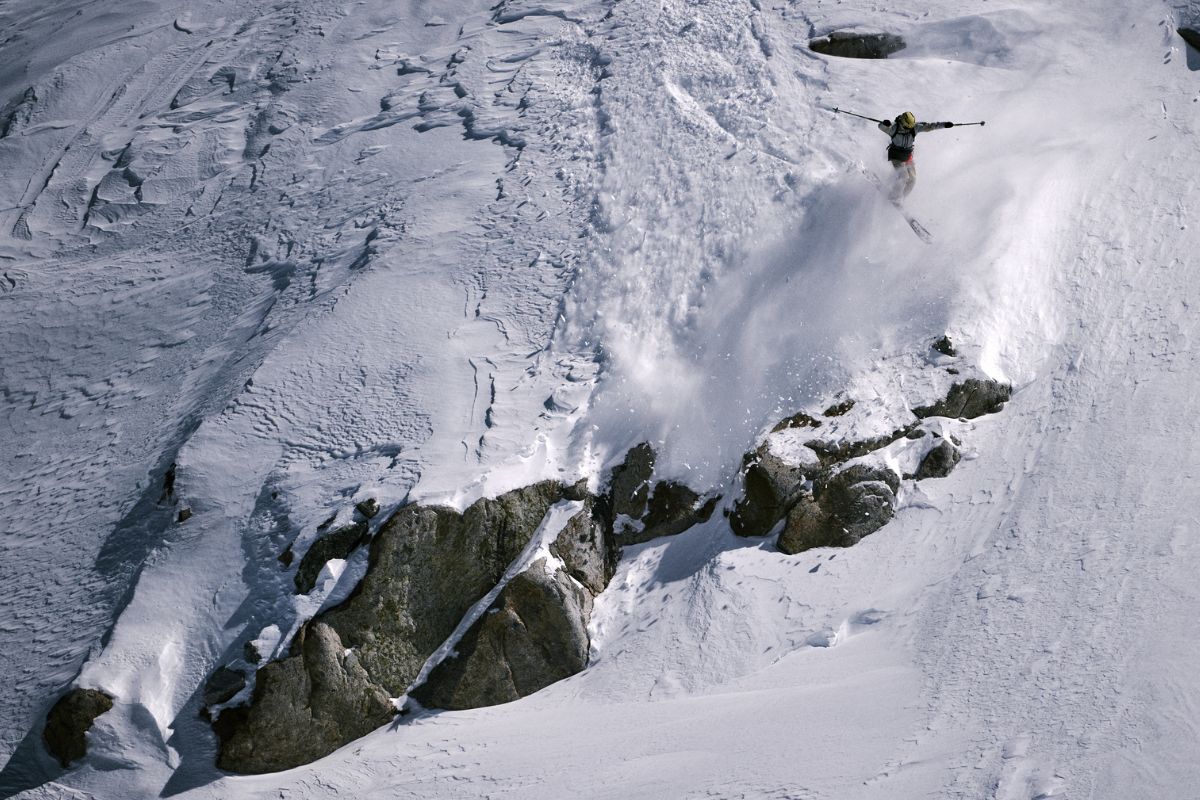
For maneuvers like these, freeride or big mountain skis are usually the best choice. Photo: Sport Conrad
- Freestyle / Park:
You love jumps, rails, and riding switch? Welcome to Park & Pipe. Freestyle skis are the right choice—nimble, durable, and playful.
Discover freestyle skis
HOW TO FIND THE RIGHT PISTE SKIS
In this guide, we’re focusing specifically on piste ski models. To identify the ideal pair for you, the next key question is: How do you rate your ability on the slopes?
Your piste skill level: beginner, intermediate, or expert
- Beginners need skis that are forgiving and stable. An all-round carver or a softer piste ski helps you develop technique and learn how to control turns. These skis are easy to pivot and confidence-building—ideal for piste skiers who want to improve technique and fitness while having a lot of fun.
- Intermediate skiers want more edge grip and precision. Their technique is more advanced and their leg strength is better trained, so they can carve a full radius more easily. This is where an all-mountain ski or a sportier carving ski makes sense—one that stays calm and stable at higher speed.
- Experts and very athletic piste skiers prefer race carvers or slalom carvers. These models react instantly and are designed for precise, dynamic turns at high speed. They demand clean technique, strong conditioning, and powerful legs. If you’ve got that, you’ll love them—especially early in the day on freshly groomed slopes with little traffic, when you can truly enjoy speed and carve clean lines.
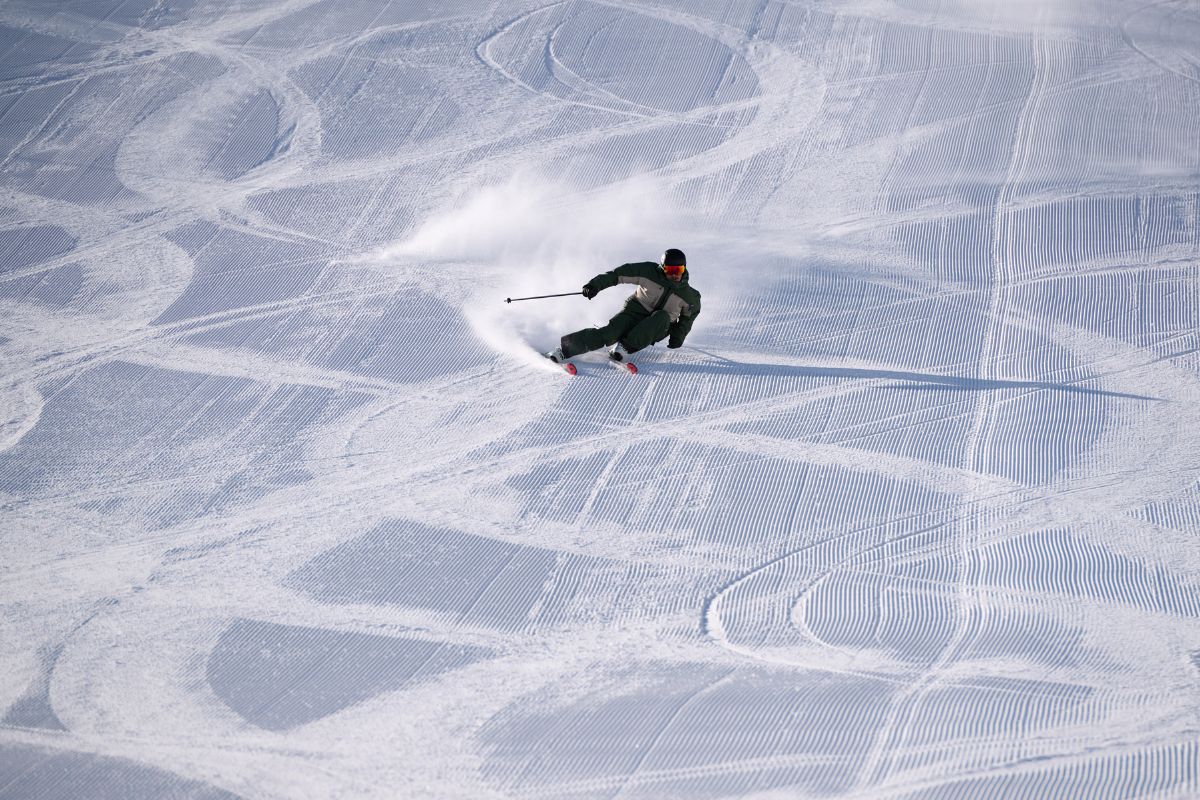
For turns like these, race carvers are ideal. Photo: Sport Conrad
Your physical factors: height, weight, and speed
Last but not least: the hard facts—your height, weight, and preferred pace. These influence ski length and how stiff your ski should be.
- Lighter skiers should choose slightly softer skis because they’re easier to control. Put differently: if you’re very light, you may struggle to apply enough pressure to the edge. That’s tiring, less fun, and can increase injury risk—especially for the knees.
-
Heavier or very athletic skiers benefit from stiffer, heavier models that stay stable at higher speeds.
Rule of thumb for ski length:
- Beginners: body height minus 10–15 cm
- Intermediates: body height minus 5–10 cm
- Freeriders: often body height or slightly longer
You’ll find more detailed guidance here: Ski length guide
Finding the perfect alpine skis: your guide to the best setup
Choosing the right model is essential for maximum fun, safety, and comfort. To make the decision easier, evaluate these key criteria honestly:
| Gender and age |
Your physical profile affects the ideal flex (stiffness) and ski length. |
| Preferred speed |
Do you ski calmly and comfortably, at a sporty pace, or do you love going fast? Your speed determines how much torsional stiffness and stability your ski needs. |
| Preferred turn radius |
Do you like tight, sporty carving turns, a variable medium radius, or long sweeping arcs? This defines the ski’s sidecut. |
| Number of ski days per season |
How often you ski is a good indicator for the level of material quality and durability you should invest in. |
| Slope preference |
Where do you feel most comfortable—easy blue runs, mid-level red runs, or demanding black slopes? Terrain helps define the performance category you need. |
THE VARIETY OF ALPINE SKIING
In alpine skiing, we generally distinguish three main categories that focus on different styles and terrain—but all deliver their best performance on groomed slopes.
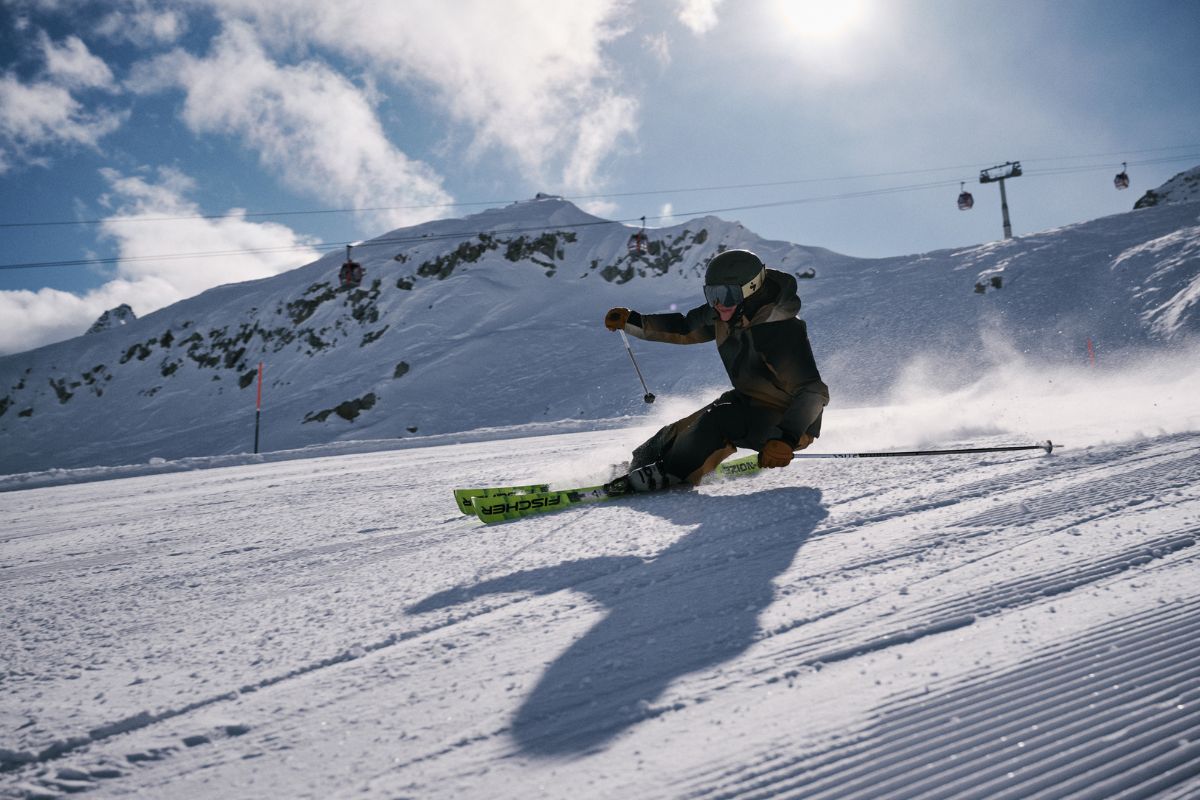
Alpine skiing is versatile—and even on groomed pistes, we can clearly identify three different styles. Photo: Sport Conrad
Slalom Carver
A slalom carver is designed for skiers who prefer short turns on groomed slopes.
Characteristics: This type is typically shorter, which optimizes tight turn radii.
Requirements: A slalom carver requires a certain level of experience and technique.
Limitations: It is less suited for very long turns and not designed for top-speed skiing.
Waist width: Typically between 60 and 70 mm.
Race Carver
Race carvers are the opposite of slalom carvers and are built for higher speeds and larger turn radii on piste.
Carving focus:They are optimized for sporty carving and feel at home exclusively on groomed slopes.
Length and speed: Race carvers are longer and allow better control at higher speeds.
Turn radii: Significantly larger than what a slalom carver is designed for.
Requirements: They demand solid technique, experience, and strong legs.
Waist width: Usually around 70 to 75 mm.
Sport Carver
A sport carver offers a balanced blend between slalom and race carvers, acting as a versatile piste ski.
Versatility on piste: It allows both short and long turns.
Performance limits: Compared to specialized models, it reaches its limits sooner in extremely short or extremely long turns.
Target group: Ideal for skiers who want flexibility and a ski that works in many situations.
Positioning: Often considered the most “universal” piste ski category.
From piste to powder: all-mountain (all-round) skis
Do you mainly ski groomed runs but also love taking a detour into deeper snow? Then all-mountain skis are especially interesting. They work both on piste and in softer, ungroomed snow.
To provide better float in powder, these models have a wider waist than dedicated piste skis.
Waist width: Typically around 90 to 103 mm.
On-piste performance: The wider construction changes how the ski feels on groomed slopes. Compared to a pure sport carver, it’s less aggressive and more playful.
Use case: As the name suggests, all-mountain skis deliver solid to very good performance across the entire ski resort.
Freestyle, Park & Pipe
If you think of slopes and instantly picture rails, kickers, and halfpipes, you’re a freestyle skier and you need the right skis. Most freestyle models feature twin tips—meaning the ski is turned up at both the tip and tail, making skiing switch easier. These skis are usually shorter, which improves rotation and handling. Freestyle skis work only to a limited degree as classic piste skis.
TIPS FOR CHOOSING THE RIGHT SKI LENGTH AND BINDING
Ski length is crucial for control and handling. A ski that’s too long can feel sluggish, while one that’s too short loses stability.
Guidelines:
- Beginners: 10–15 cm shorter than body height
- All-rounders: around 5–10 cm shorter
- Freeride / Race: body height or slightly longer
Bindings also play an important role. They transfer power to the ski and provide safety in case of a fall.
Pay attention to release values (DIN), matched to your weight and ability. Many ski models in the Sport Conrad online shop are also available as ski sets including a matching binding.
CONCLUSION: THE RIGHT SKI DEPENDS ON YOU
The question “Which skis are right for me?” can’t be answered with one universal recommendation—but it can be structured clearly. Your skiing style, your skill level, and your preferred terrain determine which ski category fits you best.
You might also be interested in:
- Market overview of ski touring bindings 25/26
- A plea for small ski resorts – An interview with Michael Krinner
- 70 years of Atomic. 70 years of “We are skiing”
- Tune your skis: How to wax your skis at home – a complete guide