
 Login
Login
 Stores
 Cart
Cart
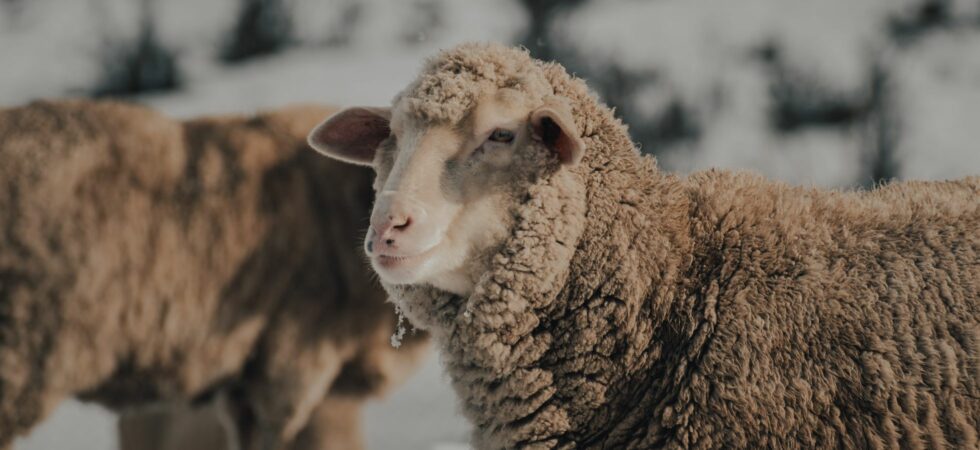
Wool is back – and for good reason! As a natural performance material, it convinces us across the board. But what do we actually know about the animal fiber suppliers? We dive into the fascinating world of sheep and discover why their wool is also the best choice for your next mountain tour or daily training.
SHEEP FACTS – TO GO
Did you know that sheep are not only ruminants, but also experience complex emotions such as happiness, sadness, anger, and sympathy? What’s more, sheep – just like us humans – are sensitive to the weather and choose their companions based on sympathy.
These amazing animals have a memory that can last up to 12 years. They can remember around 50 faces (they forget humans again after about two years – after all, they are herd animals!). On top of that, these prey animals need very little sleep: they doze for just about 30 minutes per day, spending the rest of the time eating and ruminating. Quite efficient, right?
FROM THE BRONZE AGE TO HIGH-TECH TEXTILES
Sheep were domesticated more than 10,000 years ago and are therefore considered our oldest livestock animals. The history of sheep bred for wool, as we know it today, begins in the Bronze Age around 2200 BC. They form the foundation of our modern wool textiles.
Modern wool sheep today produce 3 to 4 kilograms of wool per shearing – enough for about three sweaters. Thanks to selective breeding, this is three times the amount compared to the Middle Ages. The best and finest quality traditionally comes from the wool on the back and flanks.
Valais Blacknose sheep are among the old breeds. They produce only enough wool for about one sweater per year. And that sweater is not as cuddly soft as one made from merino wool, but it is extremely durable: it can last an entire human lifetime. From the perspectives of animal welfare and ecological balance, these local breeds are a real alternative. But let’s take a closer look at this natural product.
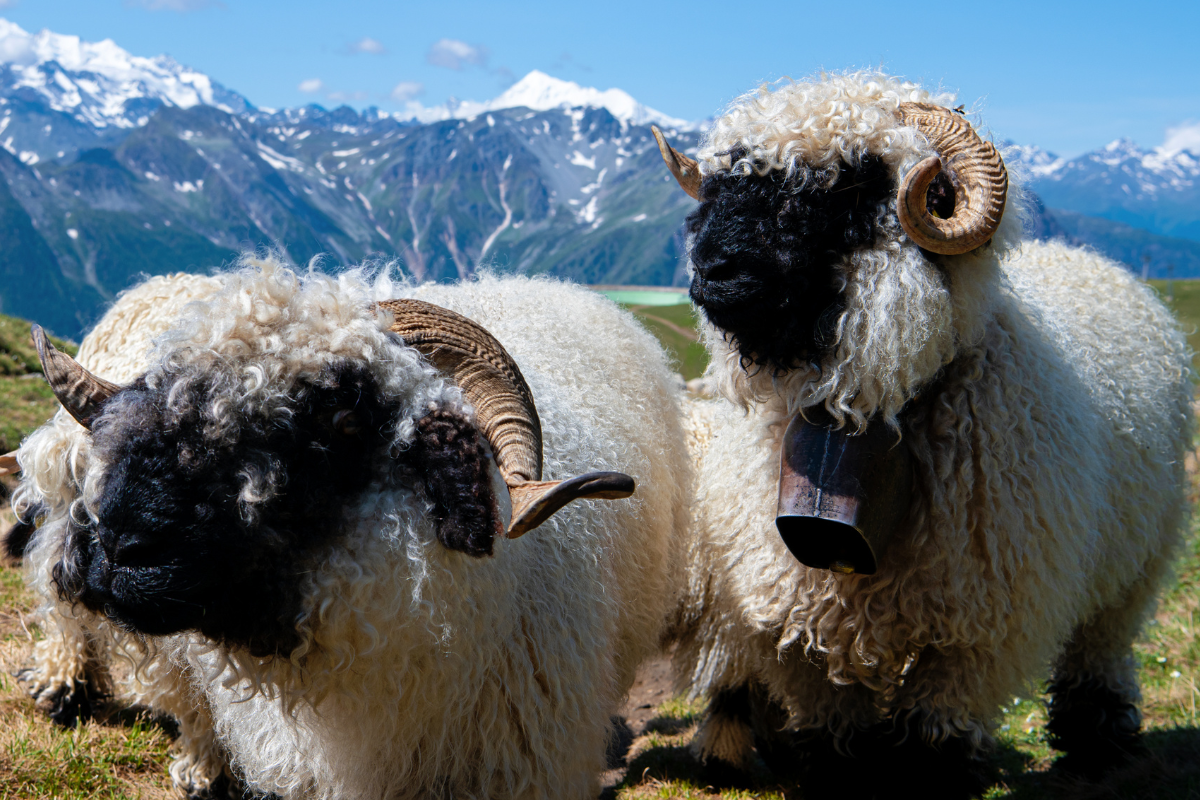
Valais Blacknose sheep are among the old sheep breeds and provide long-lasting wool. Photo: Canva
WOOL: NATURALLY FUNCTIONAL
Why are we once again swearing by wool in sports? Because it is a natural functional fiber that is hard to beat in terms of performance. First and foremost is moisture management: wool can absorb up to a third of its own weight in moisture without feeling wet or clammy. Perfect when you start to sweat.
Then wool scores with phenomenal odor neutrality. This natural material is dirt- and odor-repellent – ideal for multi-day tours or travel.
The third aspect is thermoregulation: wool warms in cold conditions and cools in the heat. This temperature-regulating property makes it unique among natural textiles and unbeatable as a midlayer or baselayer.
More about the special properties of merino wool: Merino: The natural fiber in focus
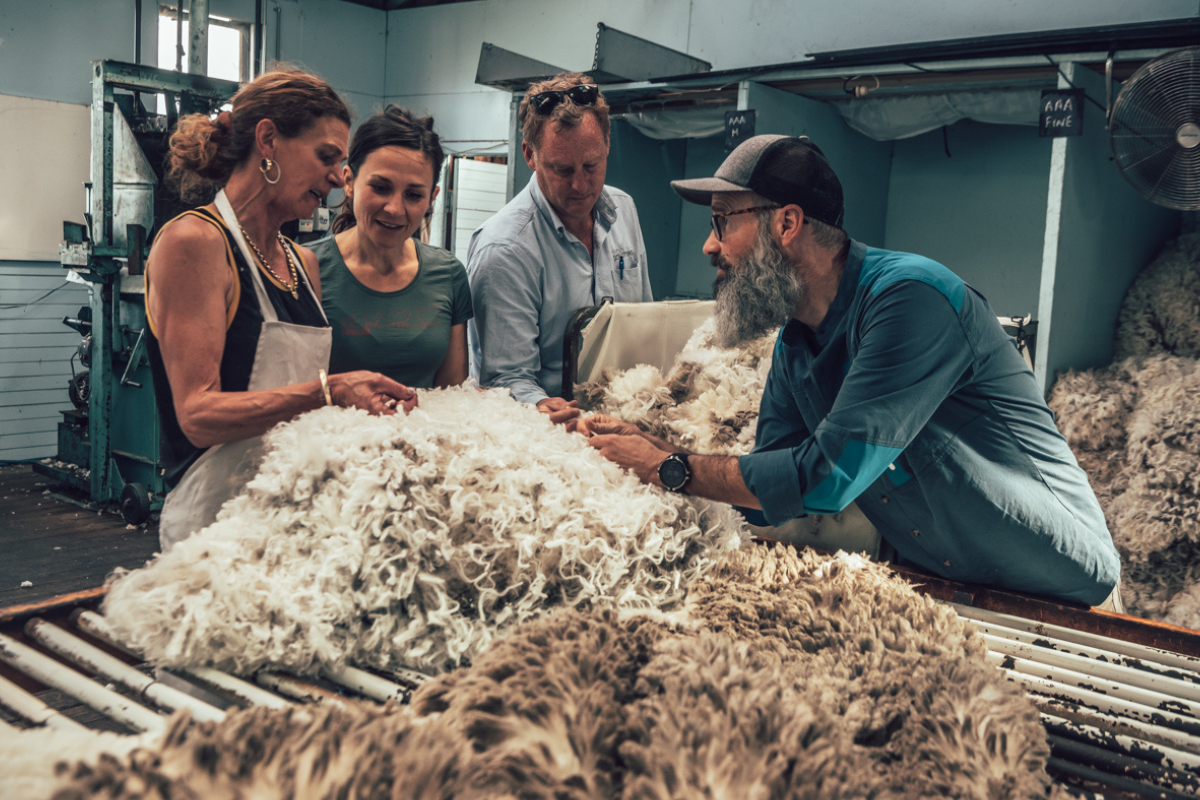
Manufacturers like Ortovox deliberately rely on the functionality of wool. Photo: Ortovox
CARING FOR WOOL: LESS IS MORE
Wool garments are surprisingly easy to care for – thanks to their self-cleaning properties. Dirt and odors remain on the surface of the fiber for a long time. This means it is usually sufficient to air your wool shirt regularly in fresh air, preferably in the shade. This preserves the natural lanolin layer (wool grease) and protects our environment by reducing the number of wash cycles.
If the wool shirt does need washing, always use the wool cycle or hand wash with lukewarm water (max. 30 degrees Celsius) and a pH-neutral wool detergent. Avoid strong spinning or wringing. Wool garments should not be put in the dryer; instead, lay the wool textiles flat on a towel and allow them to dry slowly. If you also avoid direct sunlight or heating air, the fibers will remain beautifully supple.
Pro tip – pilling: The small little balls on your favorite piece are annoying, but no reason to throw it out. A wool shaver or knit comb gently removes pilling and makes your textile look like new again.
Moth protection: Natural scent barriers help against annoying holes. Lavender sachets or cedarwood balls in the closet smell pleasant to us humans but keep the voracious pests away.
Reading tip: Washing and caring for merino wool correctly: your guide to long-lasting functional clothing
SUSTAINABILITY AND ANIMAL WELFARE: WHAT YOU SHOULD LOOK FOR WHEN BUYING
Worldwide, there are around 1.1 billion sheep. They produce methane, which is a burden on the climate. But the balance of wool is not only negative. Wool is robust, lasts a very long time, and – depending on further treatment and processing – is fully recyclable. Untreated wool is even biodegradable and is highly valued as a bio-fertilizer in biodynamic gardening.
What does this mean for you as a buyer?
When purchasing functional clothing made of wool, quality is the decisive factor. Especially high-quality wool textiles last a long time. As already mentioned, wool textiles need to be washed less frequently and are recyclable. All good arguments that speak in favor of a sustainable investment.
Especially if you also make sure that manufacturers invest in regular inspections of sheep farms and clearly commit to maintaining high animal welfare standards.
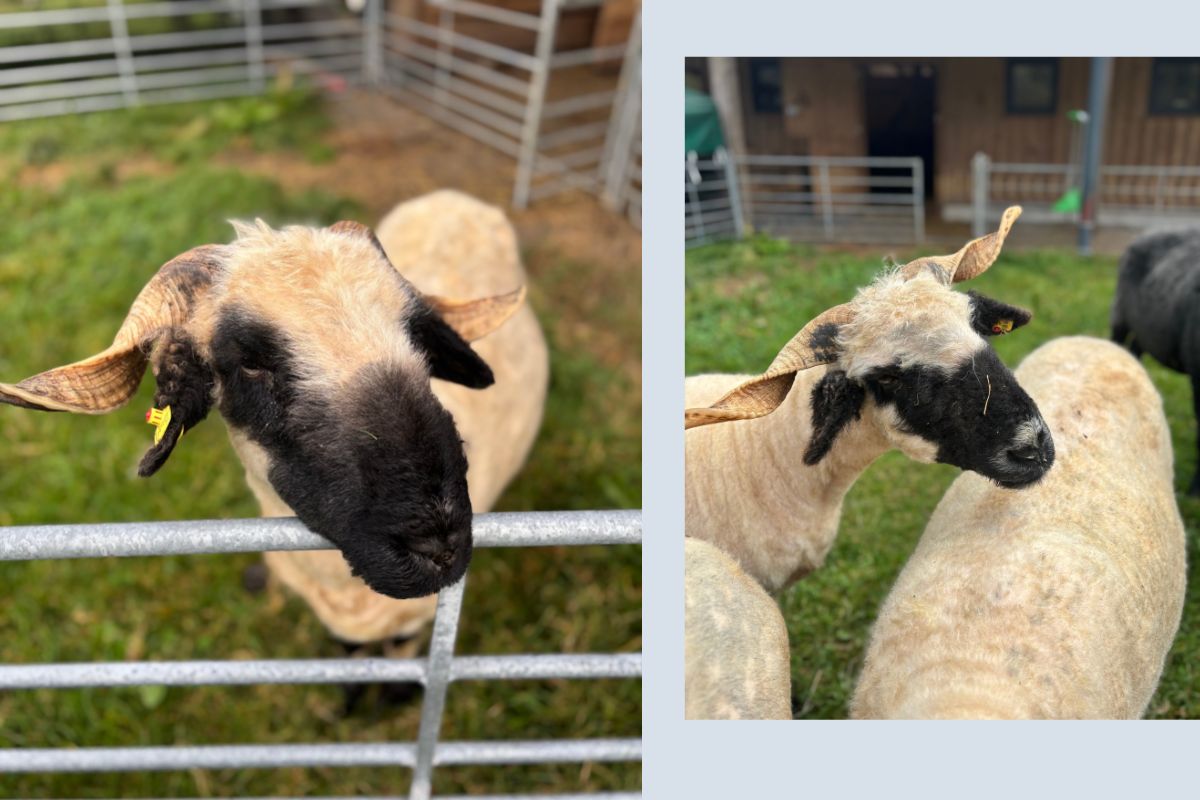
These fluffy colleagues, for example, provide Swiss wool as insulation material for Ortovox. Photo: Susa Schreiner
Mulesing – an important issue
Merino sheep are unfortunately often bred for maximum skin folds in order to increase wool yield. Since fly larvae can settle in these folds, the skin around the tail of young animals is removed (mulesing). This painful method is internationally criticized. More and more textile producers are clearly speaking out in favor of banning this practice. By choosing products from brands that actively position themselves against mulesing, you are making an important contribution.
Valais Blacknose sheep
Blacknose sheep are not affected by the practice of mulesing, but instead are among the endangered sheep breeds. They provide too little meat and too little wool, which is also perceived as scratchy. And all this, even though these gentle and frugal animals wrap us around their fingers at first glance with their beautiful markings.
One brand with a heart for Swiss mountain sheep breeds, including the Blacknose sheep, is the mountain sports brand Ortovox. Since 2011, they have been using Swisswool as insulation material. This wool is less fine and therefore not spun into yarn, but instead excels as insulating fleece.
The outdoor brand Vaude uses Lavalan® organic wool from Lake Constance for wool insulation.
Want even more knowledge and plenty of sheep-petting moments? The nature conservation farm “Artenreich” in Going am Wilden Kaiser is a great opportunity to learn more about the natural product wool.
You might also be interested in:
- Washing and caring for merino wool correctly: your guide to long-lasting functional clothing
- How to get your mountain bike ready for winter – or how to store it properly
- Tips for responsible ski touring
- Trail running in winter: stay on track with these tips