
 Login
Login
 Stores
 Cart
Cart
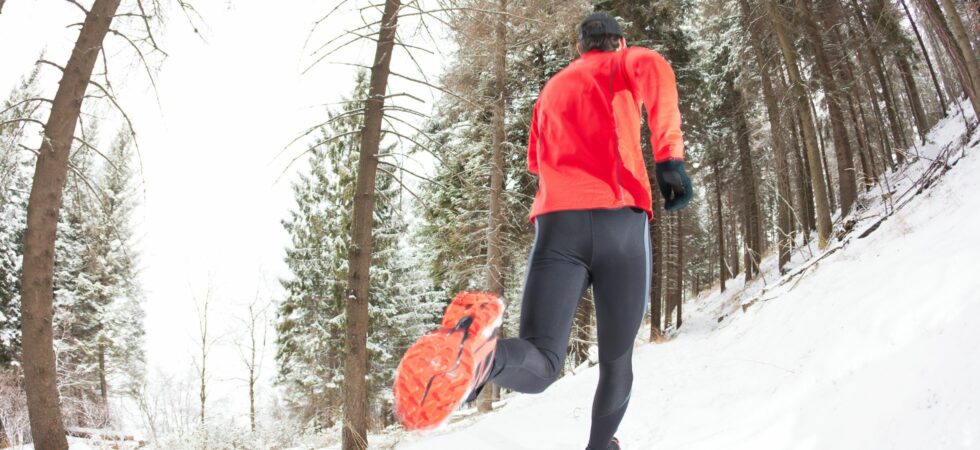
Snow, darkness, sub-zero temperatures? No reason to stop running! We’ve put together a little cheat sheet so you can check whether you’ve thought of everything when it comes to equipment, safety, and nutrition.
1. THE RIGHT EQUIPMENT FOR COLD TRAIL DAYS
Layering instead of a thick jacket
Everyone is familiar with the onion system by now. Several thin layers on top of each other are the best choice for trail running in winter.
- Base layer: The bottom layer is worn directly on the skin and should be made of merino wool or high-quality functional material such as polyester or polypropylene. Merino wool keeps you warm even when wet, is odor-neutral, and is particularly comfortable to wear. Synthetic materials dry very quickly and are often somewhat more robust.
- Midlayer: The middle layer provides warmth. Lightweight fleece jackets or synthetic insulation jackets, for example with Primaloft or similar fibers, are ideal because they keep you warm even when wet. If you like things to be particularly light, you can opt for thin hybrid jackets that combine insulation and stretch areas.
- Shell layer: The outer layer protects against wind, snow, and rain. If the weather is stable and the trip is shorter, this layer is not absolutely necessary. For longer, sweaty trail trips, breathable, windproof, and waterproof jackets with membranes such as GORE-TEX or Pertex® Shield are suitable. A softshell is a good choice in dry, windy weather, while a hardshell offers maximum protection in snowfall or rain.
Winter tights are ideal for the legs. These can be made from a three-layer softshell fabric, for example. Many runners also find it comfortable to wear another pair of shorts over their tights. This provides additional protection for the bladder.
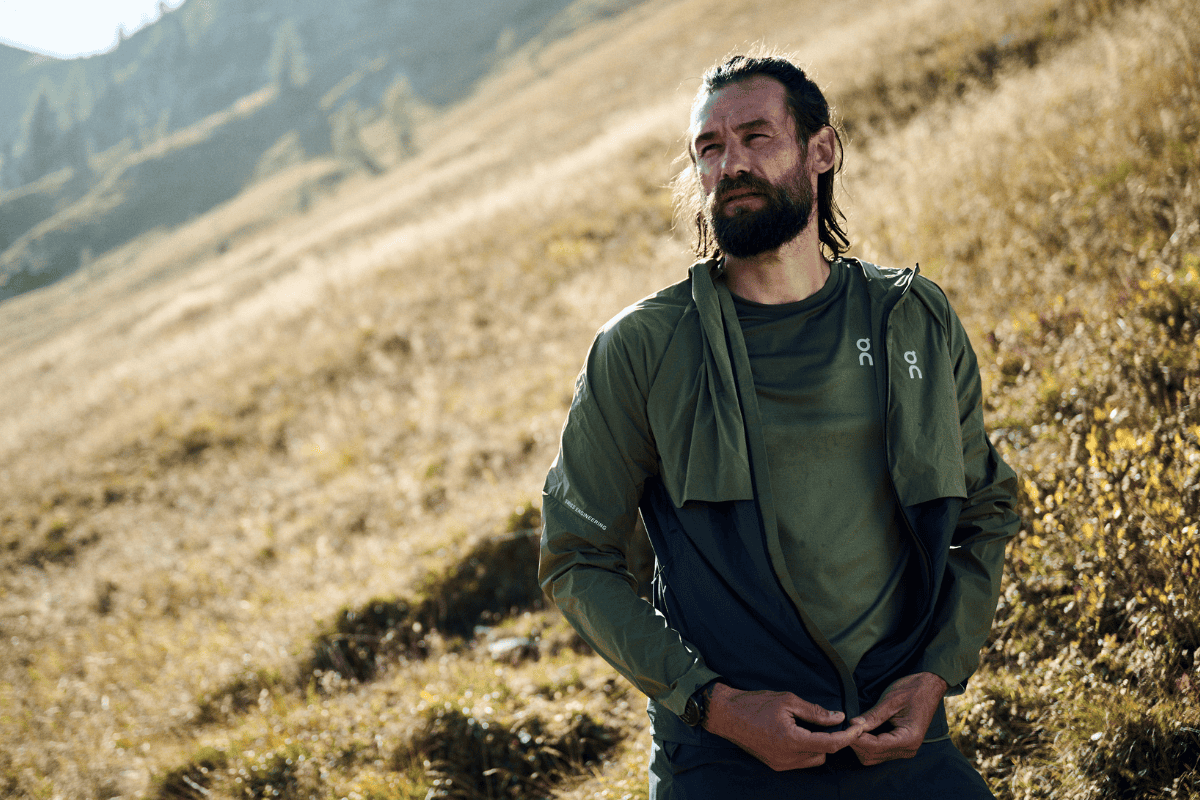
Choosing shoes: Grip is everything
Im Winter ändern sich die Trailbedingungen – Schnee, Eis und Matsch erfordern Trailrunning-Schuhe mit grobstolliger Sohle und griffigem Gummi. Bei Glätte können aufschraubbare oder bereits in die Schuhe integrierte Spikes helfen. Praktisch für alle, die oft bei kalter Nässe oder Schnee und Matsch laufen, sind Schuhe mit wasserabweisender Gamasche. Die meisten Schuhe für den Winter sind zudem mit einer wasserdichten Gore-Tex-Membran ausgestattet. Wer schnell kalte Füße hat, sollte sich überlegen eine extra Innensohle in den Schuh zu legen und dafür die Wintertrailrunning-Schuhe vielleicht eine Nummer Größer zu kaufen.
Don’t forget accessories
In winter, it’s often the little things that make the biggest difference, and ensure that you feel comfortable on the trail and don’t lose your motivation.
- Hat or headband: A lot of heat is lost through the head, especially in windy conditions. A lightweight running hat made from functional material or a headband that covers the ears keeps you warm without overheating. Merino wool is particularly suitable here, as it insulates even when damp.
- Gloves: Cold fingers can quickly become uncomfortable. Windproof running gloves or softshell models provide reliable protection. For very cold days, mittens or 2-in-1 models with an additional cover for extra warmth are recommended. Depending on your sensitivity, you should choose thicker or thinner gloves.
- Buff or neckerchief: A multifunctional scarf made of thin fleece or functional material protects your throat and neck from cold wind. In sub-zero temperatures, you can pull it over your mouth and nose to warm up the cold air a little before you breathe it in. During a break, the scarf can also be pulled over your head and worn under your hat for additional warmth.
- Headlamp: If you run in the dark, a headlamp with at least 200 lumens is a must. Look for a lightweight model with adjustable light modes and a battery life that will last for your longest runs. For technical terrain, a stronger light is useful for detecting uneven surfaces early on. If you have a running backpack, it’s best to pack the light in it to be on the safe side.
- Running backpack: A lightweight trail running backpack, running vest, or hip bag is a real advantage, especially for longer runs. It offers space for an extra layer of clothing, a hydration system or soft flasks, and small snacks. Many models have reflective elements, which are also a plus for visibility in traffic.
2. SAFETY FIRST
Increase visibility
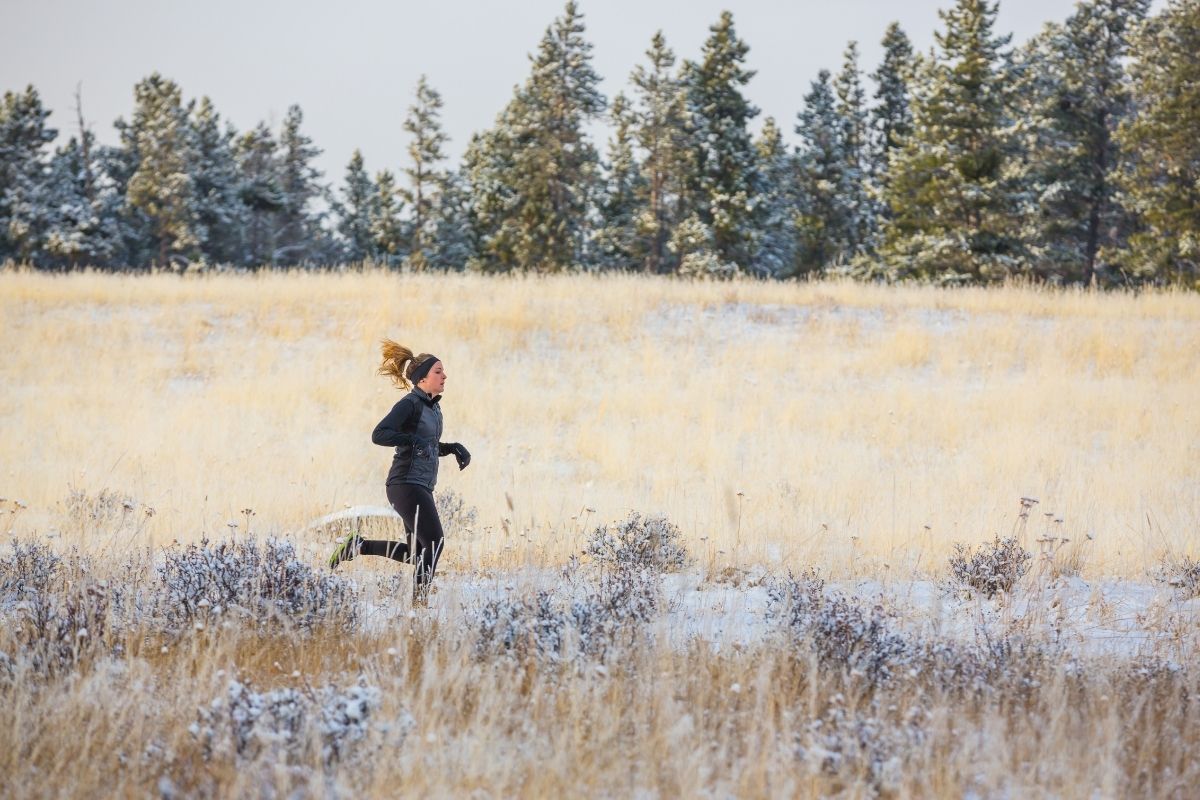
Winter often means running at dusk or in the dark. Reflective, bright clothing increases your visibility in traffic and on dark paths. Depending on your route, flashing lights may also be useful.
Careful route selection is a must
If you are running on icy sections, adjust your pace, shorten your strides, and avoid sudden movements. This will help you prevent falls. If you are out for longer runs in winter, it is a good idea to plan shorter routes so that you can cut them short in an emergency. You should also remember that fountains for refilling water, for example, do not work in winter.
3. NUTRITION: WOULD YOU LIKE A LITTLE MORE?
In winter, your body works hard to maintain its core temperature—and that costs energy. Cold weather increases calorie consumption, even if you don’t increase your pace. Especially during long or intense workouts, you should therefore ensure that you consume enough energy. Plan a balanced meal or snack before your run and, for longer runs, carry some energy in the form of bars, gels, or dried fruit in your running backpack.
Even though you feel less thirsty in winter, you still lose fluid through breathing and sweating. Cold air contains less moisture, which further dries out the respiratory tract. Therefore, drink enough not only after your run, but also before, in order to maintain your performance. For longer sessions, it is worth carrying a hydration system or a soft flask in your backpack – warm drinks in an insulated bottle can be particularly pleasant.

CONCLUSION ON TRAIL RUNNING IN WINTER
Trail running in winter requires a little more planning and equipment, but rewards you with unique experiences in nature, clear air, and mental strength. With the right preparation, you can stay safe and motivated on the trails even in the cold season.
This may also interest you:
- 6 tips for faster recovery after Trailrunning
- Trail comfort meets everyday suitability – the Salomon Ultra Glide 3 trail running shoe put to the test
- What is the best nutrition for trail running? Tips for training & competition
- Cool Down – Interview with trail running and mountain running specialist Jonathan Wyatt