
 Login
Login
 Stores
 Cart
Cart
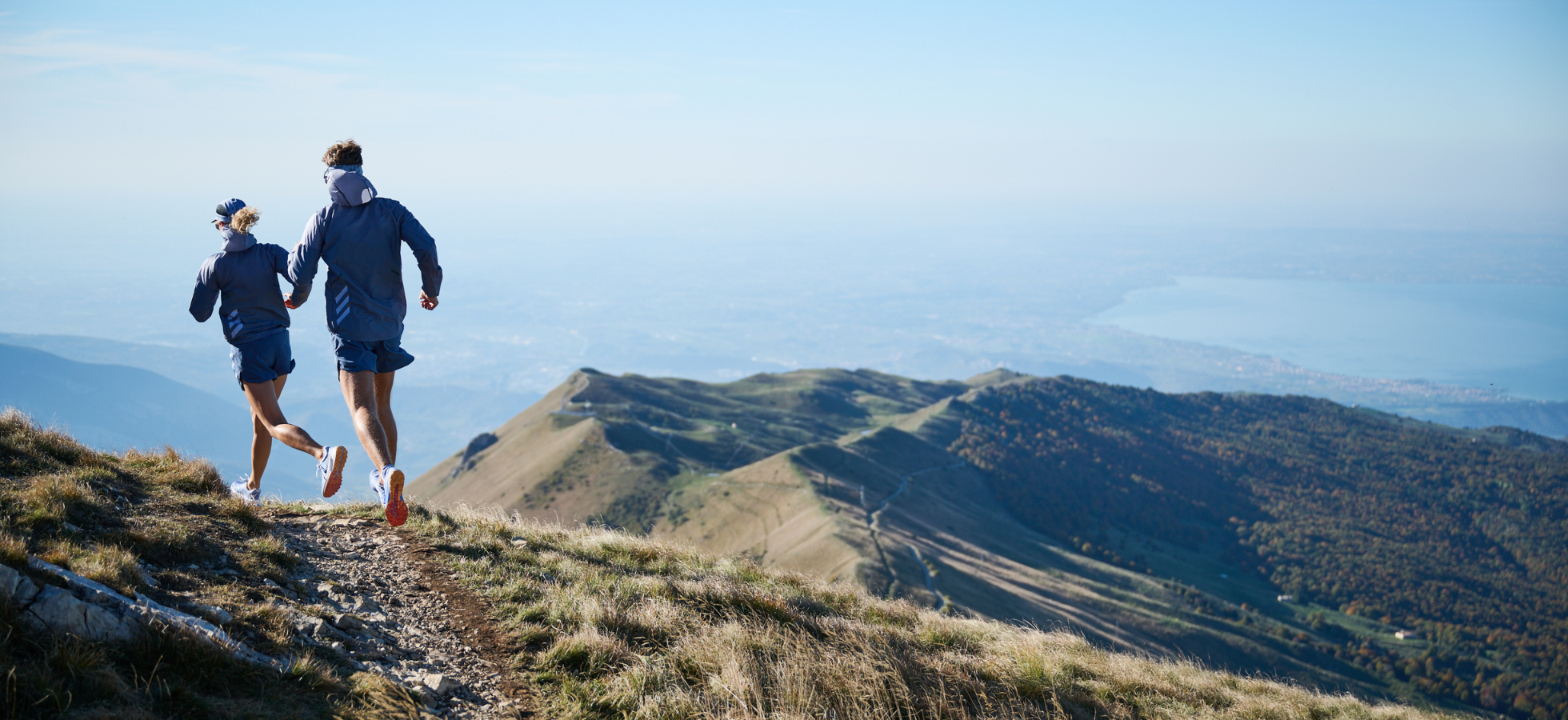
In addition to targeted training, do you want to prepare your body completely for trail running and give it the best possible support? Nutrition plays a crucial role here. Fitness coach and Sport Conrad Event Manager Annika Doppler shows you what nutrition looks like in everyday training and competition.
Trail running not only requires special physical and technical skills – nutrition also plays a key role in your performance and recovery. But there is an important difference:
- In everyday training, the main focus is on providing your body with a constant supply of energy, nutrients and fluids in order to stay healthy, efficient and able to regenerate.
- In competitions, on the other hand, the focus is on optimising your energy reserves and digestive tolerance in the short term – timing, planning and individual tolerance are what matters here.
Annika Doppler, fitness coach and employee at Sport Conrad, has put together her best nutrition tips for trail runners to ensure you are well fuelled at all levels – both for your daily routine and for race day.
The Key Points at a Glance
-
⚡ Plan your energy intake smartly: Good trail running nutrition provides your body with enough carbohydrates, protein, fats and fluids for training, half marathons, marathons and ultras.
-
🍌 Keep it easy to digest before your run: Stick to familiar, carbohydrate-rich meals before running and avoid trying anything new right before the start.
-
🏃 Top up regularly during longer efforts: From around 90 minutes onwards, gels, bars, dried fruit or isotonic drinks can help keep your energy and focus stable.
-
💪 Support recovery after your run: Carbohydrates, protein, fluids and electrolytes help replenish your stores and support your muscles after exercise.
-
🎒 Test everything in training: Breakfast, gels, bars, drinks, soft flasks and hydration bladders should all be tried before race day so you know your stomach can handle them.

“Your body is your most important piece of equipment – especially when trail running. With the right nutrition, you can not only improve your performance, but also recover faster and have more fun on the trail.” – Annika Doppler, fitness coach at Sport Conrad


The basics: nutrition in everyday training
Even if the competition is the big goal, the actual foundationfor good performance is laid in everyday training. A balanced diet helps you to process training stimuli better, pomote your regeneration und remain efficient in the long term. If you eat and drink smart, you will not only benefit in the field, but also in terms of health and well-being.
1. macronutrients: the right mix makes the difference
Your body needs energy – and this comes from carbohydrates, protein and fat:
- Carbohydrates are your main fuel during endurance exercise. Complex sources such as oatmeal, wholemeal bread, quinoa or potatoes give you long-lasting energy.
- Proteins are essential for regeneration and muscle building – pulses, eggs, fish or yoghurt are ideal.
- Fats – especially unsaturated fats – provide you with additional energy during longer runs: e.g. from nuts, avocados or olive oil.
2. fluids: drink enough!
Trail running often means a lot of sweat – and therefore a loss of minerals. Annika recommends:
- Drink 2-3 litres of water a day, more on training days.
- For long sessions: Add electrolyte solutions to balance out salts.
3. regeneration with recovery snacks
Your body is particularly receptive immediately after training:
- Within 30 minutes: a snack with carbohydrates and protein (e.g. banana with quark or a smoothie).
- Afterwards: a full meal to replenish energy stores and aid recovery.
4. natural and unprocessed
The more natural, the better: Avoid highly processed products and opt for fresh vegetables, fruit, whole foods instead:
- Fresh vegetables, fruit, wholegrain cereals, healthy fats
- Low trans fats and saturated fatty acids – opt for high-quality oils such as olive oil and nuts
5. Regular meals
A stable blood sugar level means constant energy:
- Plan fixed meal times
- Small, nutritious snacks in between meals (e.g. nuts, fruit)

Even if the competition is the big goal – the actual foundation for a good performance is laid in everyday training. Photo: Sport Conrad
Fit for the trail running competition: nutrition for the race
When your first trail running competition is coming up, special rules apply. Now it’s no longer about long-term nutritional effects, but about targeted energy intake, optimal tolerance and a quick recovery after exercise. The motto is: be well prepared, eat well and drink strategically – so that you feel light, focussed and ready to perform at the start.
1. carb loading: top up on energy
1-2 days before the race, Annika recommends:
- Eat more carbohydrates, e.g. pasta, rice, bread – this will top up your glycogen stores.
- At the same time, reduce intensive training loads so that your body can optimally store energy.
2. race day: familiar breakfast, no experiments
The most important principle: only eat what you know and what you have tolerated well in training.
- Breakfast 2-3 hours before the start: e.g. porridge with banana – easy to digest and high in energy
- 30 minutes before the start: a gel, energy bar or a ripe banana + water or an isotonic drink (possibly with caffeine, depending on your tolerance)
3. energy intake during the run
From about 90 minutes running time, energy intake is mandatory:
- Gels, bars, dried fruit or iso drinks – be sure to test what you can tolerate well in training beforehand
- Recommendation according to Annika:
- 30-60 g carbohydrates per hour for runs up to 2.5 hours
- 60-90 g carbohydrates per hour for longer distances
4. drink – before, during and after the run
Proper hydration is crucial for endurance and concentration. Annika recommends:
- Before the start: approx. 500 ml of water with electrolytes
- During the run: 400-800 ml per hour depending on duration and weather, in small sips e.g. from a soft flask or hydration bladder
- After the run: drink plenty + electrolytes to compensate for salt loss
5. post-race recovery
Recovery begins diretly at the finish line:
- Within 30minutes: a snack with carbohydrates & protein (e.g. shake or engery bar)
- Then: a balanced meal – e.g. rice with vegetables and chicken
Annika recommends:
- 1g of carbohydrates per kg of body weight after the run
- 0,3g of protein per kg of body weight within the first 1-2- hours
Also on the following day: drink plenty an consume enough protein – this will optimally support your recovery.

For your first trail running competition, what counts is a familiar diet, smart energy intake and good preparation – for a strong start and quick recovery. Photo: Sport Conrad
What to eat before running
What you should eat before a run mainly depends on the duration, intensity and start time of your session. As a general rule, the closer you get to your run, the easier your meal should be to digest. For a short, easy run, a small snack such as a banana, toast with honey or a few dates is often enough. Before longer trail running sessions, you can eat a little more, for example porridge with banana, white bread with jam or rice with some vegetables.
Especially when it comes to trail running nutrition, it is important not to try out your pre run food for the first time on race day. Something that works well in everyday life can feel very different under effort. Avoid very fatty, high fiber or heavily spiced meals right before the start, as they can put extra strain on your stomach.
When deciding what to eat before a half marathon or marathon, the same basic rule applies: have a carbohydrate rich, easy to digest meal around two to three hours before the start and, if needed, a small snack shortly before you run. Do not experiment on race day. Stick to familiar foods that give you energy and feel good in your stomach.
What to eat after running
After your run, the goal is to replace fluids, refill your energy stores and support your muscles with protein. Especially after intense sessions or long trail runs, it is a good idea to eat something soon after finishing. A combination of carbohydrates and protein works best, for example a smoothie with banana and yoghurt, bread with egg, rice with vegetables and chicken, or a bowl with potatoes, legumes and a little olive oil.
When thinking about what to eat after running, a simple formula helps: carbohydrates refill your stores, while protein supports recovery. Right after training, a small recovery snack is often enough, followed by a balanced meal later on. The same applies after races. After a half marathon or marathon, choose something you tolerate well and that provides carbohydrates, protein and fluids. Drink enough, pay attention to electrolytes and include protein rich meals the following day too.
What to eat during exercise
For short runs, you usually do not need extra energy as long as you have eaten and drunk enough beforehand. From around 90 minutes of running onwards, however, fueling during the run becomes important. Gels, bars, dried fruit or isotonic drinks can help protect your carbohydrate stores and prevent an energy dip.
For longer trail running sessions, half marathons, marathons or ultras, you should plan your fueling carefully. Depending on duration and intensity, Annika recommends around 30 to 60 g of carbohydrates per hour. For very long efforts, 60 to 90 g per hour can also make sense, as long as you have tested it in training and tolerate it well. Small amounts at regular intervals are often easier to digest than large portions all at once. Especially off road, with elevation gain or changing weather conditions, your energy needs can be higher than on a flat road run.
Gels, powders or bars: which fueling option is right for you?
When it comes to nutrition for running, there is no single perfect solution. What matters most is what you tolerate well, what suits the duration of your run and what you can easily take in while moving.
- Gels are practical, lightweight and provide fast available carbohydrates. They are especially useful in races when you need quick energy. Important: take gels with water where possible and test beforehand how your stomach reacts.
- Powders and isotonic drinks combine fluids, carbohydrates and electrolytes. This can be particularly useful on long runs, in warm conditions or when you sweat a lot. The advantage is that you take in energy and fluids at the same time. The downside: the mix needs to suit the effort and temperature, otherwise it can become too sweet or hard to digest.
- Solid foods such as bars, bananas, rice cakes, potatoes or dried fruit can feel more pleasant on longer trails and ultras because they are closer to “real food”. However, chewing, swallowing and digesting solid food during exercise takes a little more time.
- For many trail runners, a combination works best: liquid energy from drinks, quick carbohydrates from gels and, during longer efforts, additional solid snacks. As always, anything you want to use in a race should be tested in training first.


Conclusion: Eat with a plan, perform better
A balanced diet in everyday life lays the foundation for your trail running fitness. And with the right strategy before, during and after the race, you can get the best out of yourself – without any energy slumps or digestive problems.
For your next trail running adventure, you will find the right gear at Sport Conrad: from running packs and hydration systems to trail running poles, trail running shoes and running apparel.

A balanced diet in everyday life lays the foundation for your trail running fitness. Photo: Sport Conrad
FAQ – Frequently asked questions about nutrition for running
What should I eat before a half marathon?
Before a half marathon, choose a familiar, carbohydrate-rich meal that you know you tolerate well. Good options include porridge with banana, bread with honey or rice. Plan your main meal around two to three hours before the start.
What should I eat after a half marathon?
After a half marathon, start by replacing fluids and electrolytes. Carbohydrates and protein then help refill your energy stores and support your muscles during recovery.
What should I eat before a marathon?
Before a marathon, tolerance is key. Do not try anything new. Stick to foods you already know from training. Carbohydrate-rich, lower-fat meals help you start with well-filled energy stores.
What should I eat after a marathon?
After a marathon, your body needs extra recovery support. Start with an easy-to-digest snack or shake, then have a balanced meal with carbohydrates, protein, vegetables and plenty of fluids.
How is trail running nutrition different from road running nutrition?
Trail running nutrition often needs to be planned more flexibly because elevation gain, terrain, weather and running time can vary much more. That makes regular fueling, enough fluids and well-tested snacks especially important.
More on trail running
- Best Trail Running Shoes for Men & Women: 2026 Market Overview
- Trail running gear: packing list for short trails to ultra trails
- What is trail running? Shoes, gear and events
- Gravel running: between road and trail
- Trail running shoes for hiking: models and recommendations
- Trail running training plans and tips for mountain running