 Login
Login
 Stores
 Cart
Cart
Key Facts at a Glance
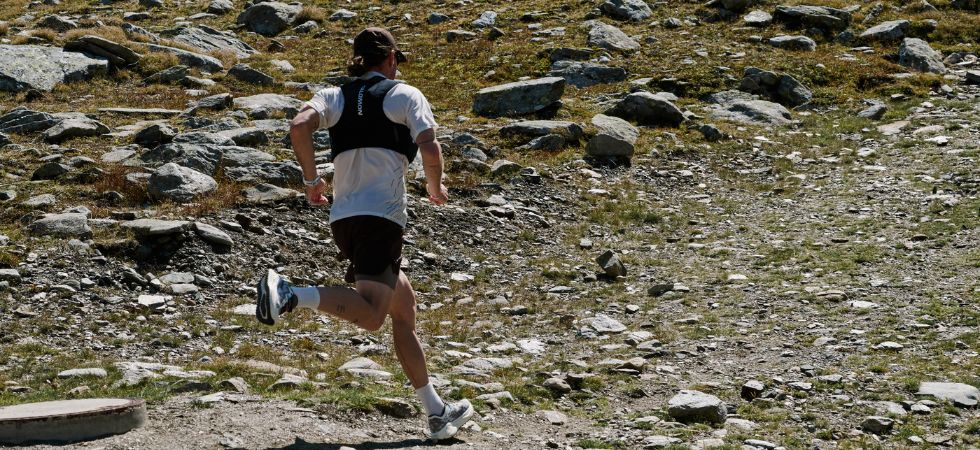
- 🏃 Gravel running means running between road, gravel and easy woodland trails.
- 🛤️ More varied than road running, less technical than trail running.
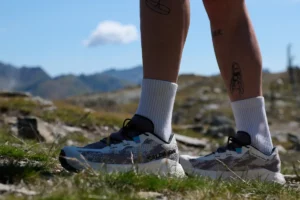
- 👟 Shoes: lightweight, grippy all rounders are ideal.
- 🎒 Gear: functional running clothing and, for longer runs, a vest or belt with enough water.
- 🌿 Benefits: more variety, new routes and more versatile training.
- ⛰️ Salomon in particular has embraced gravel running with dedicated shoes and equipment, while brands such as Tecnica and Hoka also offer suitable hybrid running shoes for mixed surfaces.
What Is Gravel Running?
Gravel running begins when your run is no longer limited to tarmac. The term “gravel” refers to loose stone paths, but that is only part of what this style of running is about. Gravel running is a flexible mix of road running and trail running. You start right from home, run the first few kilometres on the road and then spontaneously turn onto gravel paths, forest roads, field tracks or easy woodland trails. The aim is not to search for the most technical terrain, but to make your usual running route more varied.
That freedom is exactly what makes gravel running so appealing. You do not have to drive to the mountains or plan a classic trail route. You simply head out, let new paths guide you and decide along the way where you want to go.
Typical surfaces for gravel running
- Gravel and loose stone paths
- Woodland trails and forest roads
- Field tracks
- Wide natural paths
- Park paths
- Walking routes along rivers and lakes
Trail Running vs Gravel Running: The Main Differences
Trail running and gravel running are closely related, but in practice they feel quite different. Trail running usually means deliberately heading off road: onto narrow paths, technical trails, steep climbs, roots, rocks or alpine routes. The terrain is more demanding, the pace often changes more due to climbs and descents, and the focus is more on sure footedness, stability and control.
Gravel running is more accessible and less technical. You run on a mix of tarmac, gravel paths, forest roads, field tracks and easy woodland trails. The route usually remains very runnable, but feels much more varied than a pure road run. This makes gravel running especially suitable for runners who want more nature and new routes without moving straight into demanding terrain.
The big advantage: gravel running can be done almost anywhere. You do not need mountains or a trail park. Often, it is enough to start from home and add new turns, gravel sections or woodland paths to your usual route. This creates a freer running experience, makes your training more versatile and helps you discover routes you might otherwise have run straight past.
Salomon and Gravel Running
Salomon has been focusing specifically on gravel running for some time. The reason is simple: in real life, many running routes are not as clearly defined as classic shoe categories suggest. A run often starts on tarmac, continues over gravel paths through the park, then leads onto forest roads or easy woodland trails. This is exactly where the question arises: which running shoe is the best choice for that kind of route?
This question is especially interesting for runners who spend a lot of time in local forests, on field tracks or over gentle hills. Many trail running shoes are strongly designed for alpine terrain, technical trails and maximum sure footedness. On moderate surfaces, they can sometimes offer more tread, protection and stability than you actually need. At the same time, classic road running shoes often lack the decisive grip on gravel, wet forest ground or loose natural paths.
This is precisely the gap Salomon addresses with its gravel running concept. The idea is a shoe that still feels comfortable and dynamic on tarmac, while offering enough grip, support and protection for easier off road terrain. Salomon is therefore speaking above all to runners who do not want to plan their route too strictly and prefer to stay flexible.
Gravel Running Shoes
For gravel running, you do not need a pure road running shoe, but you also do not necessarily need a heavily lugged trail running shoe for alpine terrain. The ideal choice is a versatile running shoe that rolls comfortably on tarmac while offering enough grip and security on gravel, forest roads and easy woodland trails. That balance is what makes a good gravel running shoe.
In short: lightweight trail running shoes or especially grippy all round running shoes designed for easy to moderate terrain are best suited to gravel running. Salomon, Tecnica and Hoka in particular have developed dedicated gravel running shoes or hybrid running shoes for mixed surfaces:
For men


For women


Additional Gear
Your gear should be lightweight, uncomplicated and versatile. You usually do not need as much equipment as you would for long trail running tours in the mountains, but you should still be prepared for changing conditions. Functional running clothing is especially useful, as it moves moisture away from the body and, depending on the temperature, protects you from wind or light rain. If you are heading out for longer, a small running backpack or running belt is also worth considering. It gives you space for your smartphone, keys, something to drink, an energy bar or a thin extra layer. This is particularly practical for gravel running, because you often run more freely and may not know exactly how long your route will end up being. If you are exploring new paths, you should also carry a charged phone or a running watch with navigation.


Conclusion: More Variety for Your Runs
Gravel running is the perfect style of running for anyone who does not want to choose between road and trail. Instead of always running the same road loop, gravel running opens your eyes to new routes away from tarmac. Park paths, field tracks, woodland trails and wide natural paths become part of your run. The result is varied training that feels more natural, freer and often more motivating. At Sport Conrad, you will find selected gravel running shoes as well as suitable running clothing and equipment.
FAQ: Frequently Asked Questions About Gravel Running
Is Gravel Running Suitable for Beginners?
Yes, gravel running is very suitable for beginners because you can choose the intensity and surface flexibly. It is best to start with easy routes that mainly include tarmac, park paths, forest roads or smooth gravel paths. This gives you more variety than pure road running without having to move straight into technical terrain. The important thing is to start slowly and get used to changing surfaces step by step.
Is Gravel Running Easier on the Joints Than Running on Tarmac?
Gravel running can feel easier on the joints because gravel, woodland trails and natural paths are often a little softer than hard tarmac. At the same time, uneven surfaces place greater demands on your muscles, ankles and coordination. That is also a major benefit for your training, as your body has to work in a more varied way. Small irregularities activate stabilising muscles, improve balance and ensure that not every step feels the same. This makes your running training more varied and more functional, without moving straight into technical trail running.
How Do I Find Good Gravel Running Routes Near Me?
Good gravel running routes can often be found right outside your front door. Look for routes that combine tarmac with park paths, forest roads, field tracks or easy woodland trails. Running apps, map functions, Komoot or Strava can help you discover new routes. Loops are especially practical, as they allow you to extend or shorten your run spontaneously. This keeps your route flexible, so you can adapt it depending on the weather, your available time and how you feel that day.
Is Gravel Running Useful for Marathon Training?
Yes, gravel running can be a useful addition to marathon training. Easy endurance runs on gravel, forest roads or simple woodland trails add variety to your training plan and can challenge your muscles in a more versatile way than road kilometres alone. For targeted speed sessions, long runs at race pace or direct preparation for a road marathon, tarmac still remains important.