 Login
Login
 Stores
 Cart
Cart
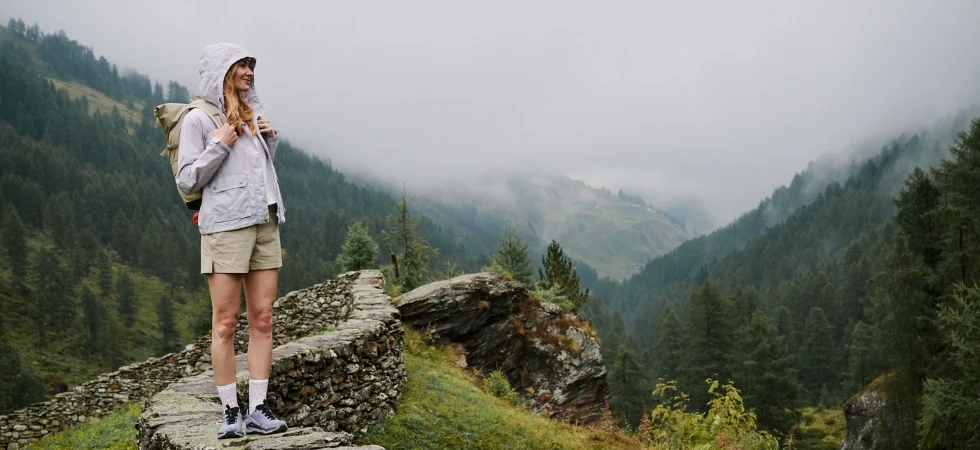
Rain doesn’t have to be a reason to leave your hiking boots at home. In fact, with the right preparation, hiking in wet weather can reveal a completely different side of the mountains. Trails are quieter, the air feels fresher, and nature takes on a unique atmosphere when everything is soaked by rain. To truly enjoy hiking in rainy conditions, preparation is key. Choosing a suitable route, packing reliable waterproof gear, and understanding the weather and trail conditions can make all the difference. With the right mindset and equipment, even a grey and rainy day can turn into a memorable outdoor adventure full of atmosphere and character.
Key Points at a Glance
🌧️ Hiking in the rain means quieter trails and a special mountain atmosphere.
🌿 Forests, meadows and rock faces often look richer and more vibrant in wet weather.
☁️ Clouds, mist and waterfalls can make familiar routes feel especially impressive.
🏡 Mountain huts and viewpoints are usually less crowded when it rains.
🧥 High-quality rainwear protects you from moisture, wind and getting cold while hiking.
🥾 Waterproof hiking boots with a grippy sole help you stay sure-footed on wet terrain.
Benefits of Hiking in the Rain
Hiking in the rain has a charm of its own. One of the biggest advantages is how peaceful the trails can be. While popular routes are often busy on sunny days, wet weather usually makes things much more relaxed. Car parks, viewpoints and well-known trails are less crowded, which allows you to experience nature in a more authentic and intense way. Depending on the region and season, even popular mountain huts can be surprisingly quiet on rainy days, making the whole tour more enjoyable.
Rain can also be a real advantage in summer. Instead of strong sun and intense heat, you get cooler temperatures and fresh air. This often feels much more comfortable, especially on longer climbs. A gentle rainy-day hike can even feel more relaxed than a tour in harsh sunshine.
The landscape also shows a very special side in the rain. Forests, meadows and rocks often appear richer, fresher and more alive when wet. Greens look more intense, stones shine in the light, and the mountains gain a unique sense of depth. When clouds hang like veils between the peaks, mist drifts through the valleys or individual mountain slopes appear only for a moment, it creates an atmosphere you simply do not get in settled fair weather. Rain also brings out details that often only appear during or after wet conditions. Streams carry more water, small channels become visible and waterfalls look much more impressive. Especially in alpine regions, rain noticeably changes the landscape. Familiar routes can suddenly feel completely new and often offer particularly atmospheric impressions.
Another practical benefit is that hiking in the rain really teaches you what your gear can do. A rain jacket, waterproof hiking boots, a well-fitting backpack or the right combination of base layer and weather protection only truly prove themselves in real conditions. This gives you confidence for future tours. When the sun is shining at the start of another hike but rain moves in later, you can stay much more relaxed because you know your equipment works and you are well prepared for changeable weather.

Practical Tips for Your Rainy-Day Hike
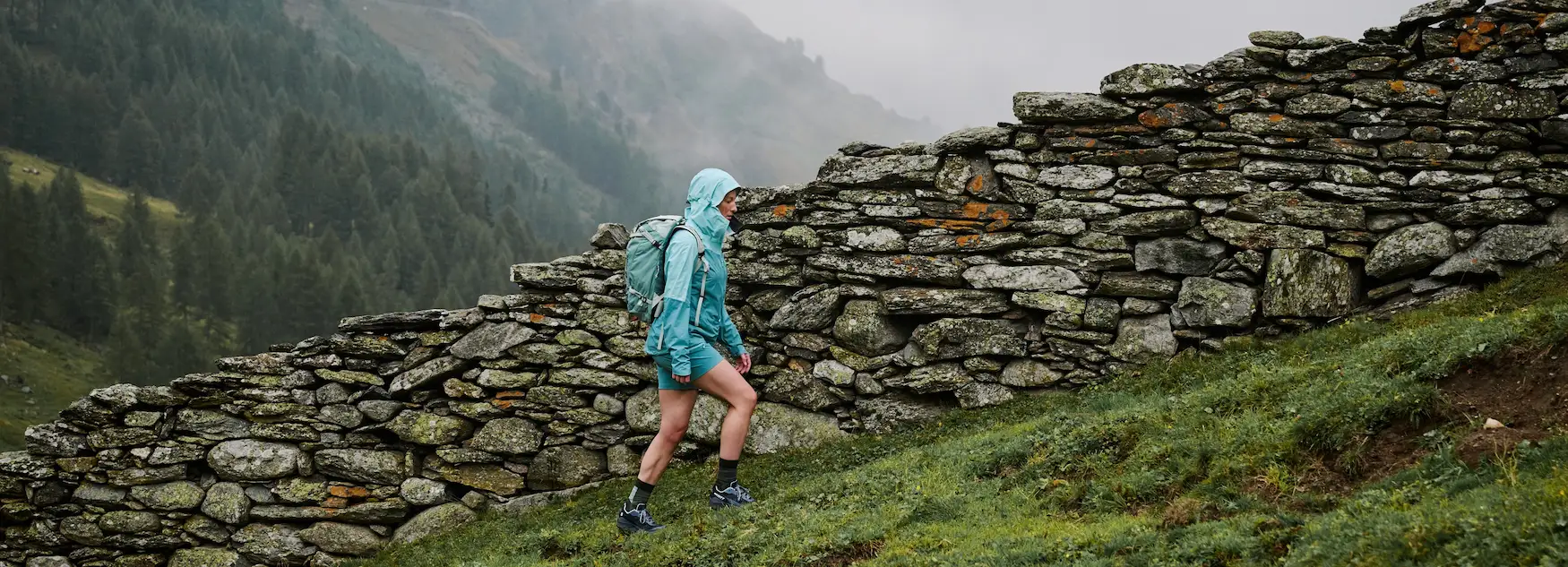
It is often the small details that make hiking in the rain much more comfortable. These simple tips will help you stay drier, safer and more relaxed on the trail.
Keep a small microfibre towel within easy reach:
Use it to wipe your glasses, phone, camera, wet hands or even the seat at a mountain hut. Small, lightweight and extremely useful in the rain.
Put your rain jacket on early:
Do not wait too long before putting on your rain jacket. You can regulate your temperature with zips or underarm ventilation. Once your shirt and fleece are wet, it is hard to get the moisture out again.
Wear a cap under your hood:
The peak helps keep rain out of your face and noticeably improves visibility. This is especially comfortable if you wear glasses.
Use trekking poles a little earlier in the rain:
Do not wait until the trail gets difficult before using your trekking poles. Especially downhill, they give you extra security early on when walking over wet roots and rocks.
Choose routes with natural weather protection:
Forest trails, valleys or routes with mountain huts along the way are often more comfortable in the rain than open ridges or exposed high-altitude paths.
Put newspaper in your boots after the hike:
Newspaper inside wet boots helps them dry and supports the shape of the boots. It is important to replace the paper after a while.
Pack a sit pad:
A small foldable sit pad keeps you dry during breaks on wet benches, rocks or meadows.
Rainwear for Hiking
The right gear and rainwear can make all the difference when hiking in the rain. It determines whether your tour stays comfortable or quickly becomes unpleasant. The most important thing is to stay dry, warm and able to move freely without overheating too much. You do not necessarily need a lot of equipment, but each item should work reliably and fit well with the rest of your setup.
What matters most is the balance between weather protection, breathability and comfort. A good rain jacket protects you from moisture and wind while hiking, while functional layers underneath help move moisture away from your body. Waterproof hiking boots with a grippy sole give you secure footing on wet trails. A weather-resistant backpack, a rain cover, trekking poles and small extras such as a spare shirt or gloves can also help you stay well prepared during longer periods of rain.
Rain Jackets for Hiking
A good rain jacket is the most important piece of clothing when hiking in wet conditions. It protects you from rain and wind and helps keep your body temperature stable. The key is that the jacket should not only be waterproof, but also breathable. When hiking, you quickly build up heat, especially on climbs. If moisture cannot escape from the inside, you can soon start to feel damp and clammy, even while wearing a rain jacket.
Also look for a well-fitting hood, adjustable cuffs and hem, and enough freedom of movement. Underarm ventilation zips are especially practical, as they help you regulate your temperature when the intensity of your hike changes. We recommend high-quality hiking rain jackets from Arcteryx, Peak Performance, Ortovox and Salewa:
Rain jackets for women:


Rain jackets for men:


Waterproof Hiking Boots
Waterproof hiking boots are an important safety factor in rainy weather. They protect your feet from moisture, help create a more comfortable foot climate and give you more confidence on wet trails. A grippy sole makes a big difference, especially on muddy paths, damp meadows, slippery rocks or root-covered sections. Make sure your boots fit well, provide enough support and suit the tour you have planned. It is important that the boot is not only waterproof, but also matches your foot shape and personal walking comfort. Discover our waterproof hiking boots for women and men:
Hiking boots for women:


Hiking boots for men:


Additional Hiking Gear
Alongside a rain jacket and waterproof hiking boots, there are a few extra pieces of gear that can make a rainy hike much more comfortable and safer. Trekking poles give you additional stability on wet trails, especially on muddy descents, slippery rocks or slick roots. A well-fitting hiking backpack with a rain cover protects spare clothing, snacks and valuables from moisture and helps keep your essentials dry on longer tours. Waterproof packing bags are also useful for sensitive gear, along with a dry spare shirt, lightweight gloves and, depending on the temperature, an extra insulating layer. Discover practical hiking accessories for your next rainy-day tour:


Choosing the Right Route in Bad Weather
Choosing the right route is especially important when it rains. Not every hike that is easy in dry weather is also suitable in wet conditions. Trails become more slippery, rocks and roots lose grip, and visibility may be limited by mist or low clouds. So it is better to plan a route that is a little shorter, easier and more flexible than to take on too much in difficult conditions.
Well-marked hiking trails, forest roads and moderate woodland or alpine pasture paths are ideal in rainy weather, as they usually remain safe to walk on even when wet. Routes through forests, along streams or to waterfalls can be especially beautiful, because the landscape often feels particularly intense in the rain. You should be more cautious with exposed ridges, steep descents, rocky sections or trails with lots of roots. In alpine terrain in particular, these sections can quickly become challenging when wet.
Safety When Hiking in the Rain
When it rains, it is especially important to stay alert on the trail. Plan enough time and make sure you can shorten or turn back from your route if needed. A good rainy-day hike does not have to be long or spectacular. In changeable weather, shorter and easily accessible routes are often the most enjoyable. If you keep an eye on the weather and choose your route carefully, hiking in the rain becomes much safer.
Check the latest weather forecast before you start and pay attention to how conditions develop along the way. Watch for heavier rain, approaching thunderstorms or a noticeable drop in visibility. In the event of thunderstorms, strong winds, persistent heavy rain or unsafe terrain, you should turn back.
Conclusion: Hiking in the Rain
Hiking in the rain is not a backup plan. It can be a particularly intense way to experience nature. Quieter trails, fresh air, rich colours and clouds drifting through the mountains like veils can make wet days surprisingly beautiful. At the same time, rainy conditions clearly show how important it is to choose the right route, prepare well and rely on dependable gear.
Choose your route carefully, keep an eye on the weather and hike with suitable rainwear. Alongside a rain jacket and waterproof hiking boots, this also includes useful extra equipment. With the right preparation, there is nothing standing in the way of a safe and enjoyable rainy-day hike. And if the weather suddenly changes on another tour, you will benefit from this experience. You will know that your gear works and that you are well prepared for changeable conditions.
Enjoy your next hike, whether it is sunny, lightly raining or proper mountain weather. With the right preparation, even a wet day outdoors can become a great experience.