
 Login
Login
 Stores
 Cart
Cart
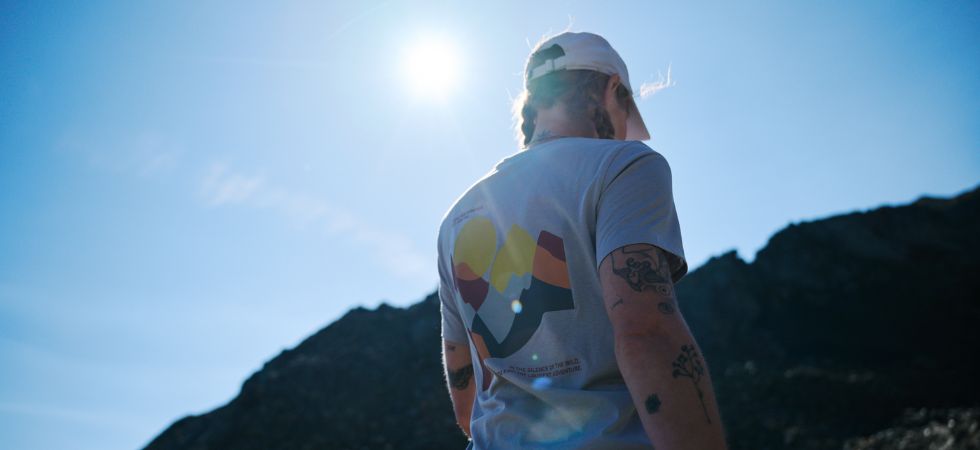
When you spend a lot of time outdoors, sunscreen is often the first thing that comes to mind. But the right clothing plays an important role too. Sun-protective clothing can reliably shield your skin from intense UV exposure and is especially practical for hiking, mountaineering, climbing, trail running or cycling. Good protection is particularly important in the mountains, where UV levels increase noticeably with altitude. But does UV-protective clothing really make a difference, or is it just another marketing promise?
In this article, we take a closer look at what sun-protective clothing can actually do, when sunscreen alone is not enough and which UV-protective apparel makes sense for mountain sports, outdoor adventures and everyday use.
Key Facts and Tips About Sun-Protective Clothing
- ☀️ Special UV-protective clothing blocks a large amount of UV radiation, depending on its UPF rating.
- ⛰️ UV protection is especially important in the mountains: UV exposure increases with altitude. Rock, snow, water and light-colored gravel can also reflect additional radiation.
- 🧴 Sunscreen alone is not always enough: it needs to be reapplied regularly and can wear off through sweat, water or friction.
- 👕 Not every shirt protects equally well: tightly woven, sturdy fabrics usually offer better protection than thin, light-colored or loosely woven materials.
- 🧢 Caps, hats and lightweight sun hats protect your head and face and, depending on the design, also your neck and ears.
- 🔢 The UPF rating helps you compare protection levels: UPF 50, for example, means the fabric allows only 1/50, or 2 percent, of UV radiation to pass through.
- 😎 Your eyes need UV protection too: a good pair of sunglasses protects against intense radiation.
- ✅ The best protection comes from combining sun-protective clothing, sunscreen, headwear and sunglasses.
Is Sun-Protective Clothing Reliable?
Yes, sun-protective clothing can offer reliable protection when chosen and worn correctly. The key is that the garment provides tested UV protection and covers the skin well. The most important indicator is the UPF rating. It shows how much UV radiation can pass through a textile and reach the skin. With UPF 50+, 98 percent of UV rays are blocked.
That said, clothing with UV protection is not a free pass to spend unlimited time in the sun. Protection depends not only on the rating, but also on the material, weave, color, stretch and condition of the garment. If a fabric is heavily stretched, very wet or already worn out, its protective performance may decrease. Exposed areas such as the face, hands, neck or legs still need sunscreen.
For mountain sports and outdoor use, UV-protective clothing is particularly dependable because, unlike sunscreen, it does not need to be reapplied every few hours. It protects the covered areas continuously, as long as it fits properly and stays in place.
What Types of Sun-Protective Clothing Are Available?
Sun-protective clothing comes in many different forms. A clearly stated UPF rating is especially helpful because it tells you how well the fabric performs. Tops cover large areas of skin such as the shoulders, back, chest and arms, making them particularly useful for long days in the sun. Depending on the activity, options include lightweight T-shirts, long-sleeve shirts, blouses and shirts, hoodies or thin midlayers with built-in UV protection. The head, face, ears and neck are also often highly exposed to the sun. That is why caps, hats and lightweight beanies or sun hats are an important part of a well-rounded UV-protective outfit.
Our highlighted items with UV protection:


Materials
When it comes to UV-protective clothing, the material matters. Tightly woven or knitted fabrics let less UV radiation through than very thin, loosely constructed materials. For outdoor and mountain sports, synthetic fibers such as polyester or polyamide are often used. They are lightweight, durable, quick-drying and help move moisture away from the body. That is especially useful when hiking, trail running, climbing or cycling, where you may work up a sweat but still want reliable protection.
Natural fibers can also protect you from the sun. The UV protection of cotton depends mainly on the fabric density. A heavier, tightly woven cotton shirt protects better than a thin, light-colored one. If cotton gets wet, its sun protection can decrease further. For long tours and intense sunlight, dedicated UPF clothing is usually the more reliable choice.
What Does the UPF Rating Mean?
The UV protection of clothing is usually indicated by its UPF rating. UPF stands for Ultraviolet Protection Factor and describes how much UV radiation a textile allows to reach the skin. The higher the rating, the better the UV protection.
For example, UPF 50 means that only 1/50 of UV radiation passes through the material. That equals 2 percent. In other words, 98 percent of UV radiation is blocked by the fabric. With UPF 30, 1/30 of UV radiation reaches the skin, which is about 3.3 percent. The higher the UPF rating, the less UV radiation gets through.
As a guide:
☀️ UPF 15 to 24: good protection
☀️☀️ UPF 25 to 39: very good protection
☀️☀️☀️ UPF 40 to 50+: excellent protection
Important to know: the rating alone does not tell the whole story. Fit, stretch, moisture, wear and care can all affect how reliably sun-protective clothing performs in everyday use.
Who Should Wear Sun-Protective Clothing?
Sun-protective clothing is useful for anyone who spends long periods of time outdoors. It is especially relevant in areas with high UV exposure, in the mountains, by the water, while traveling or during activities where sunscreen can wear off faster due to sweat, water or friction.
Sun-Protective Clothing for Children
Children’s skin is particularly sensitive and should be protected consistently. UV-protective clothing for kids is therefore a smart choice for hikes, family holidays, playgrounds, the beach or days by the lake. Long-sleeve tops, shirts, sun hats and caps with neck protection are especially practical because they reliably cover the shoulders, back, arms, head and neck.


Sun-Protective Clothing for Women
Sun-protective clothing for women is available for a wide range of outdoor activities, from hiking and trail running to travel. Lightweight shirts, blouses, long-sleeve tops and hoodies with sun protection are comfortable to wear, dry quickly and protect exposed areas of skin. Depending on the tour and temperature, airy cuts, breathable materials and a high UPF rating are especially important.


Sun-Protective Clothing for Men
Sun-protective clothing for men is especially useful on long hikes, bike rides, mountain adventures and trips. Functional T-shirts, long-sleeve shirts, shirts and caps protect reliably from the sun while staying comfortable during movement. Anyone who sweats a lot or spends long hours in the sun will benefit from quick-drying clothing with UV protection.


Sun Protection for Your Eyes
Your eyes also need reliable protection from UV radiation. In the mountains, on snow, by the water or in bright terrain, radiation can be especially intense because it is reflected by the surroundings. A good pair of sunglasses is therefore just as much a part of your sun protection setup as UV-protective clothing, sunscreen and headwear.
Look for clearly stated 100 percent UV protection or the label UV 400. This protects your eyes from UVA and UVB radiation. For mountain sports and outdoor use, sunglasses should also fit securely, stay in place and block as much stray light from the sides as possible. Models with larger lenses or side protection are particularly useful in strong sunlight.


Conclusion: UV-Protective Clothing as a Smart Part of Sun Protection
UV-protective clothing is not a replacement for mindful sun exposure, but it is a very useful addition. It reliably protects covered areas of skin, does not need to be reapplied like sunscreen and is especially practical on long days outside. Whether you are hiking, mountaineering, climbing, trail running, cycling or traveling, clothing with UV protection can make a real difference.
What matters most is that the material, cut and UPF rating suit your activity. UPF 50+ offers very high protection and is particularly recommended in strong sunlight, in the mountains or by the water. At the same time, exposed areas such as the face, hands or legs still need sunscreen. Sun protection is complete only when UV-protective clothing, headwear, sunglasses, shade breaks and smart tour planning all work together.