
 Login
Login
 Stores
 Cart
Cart
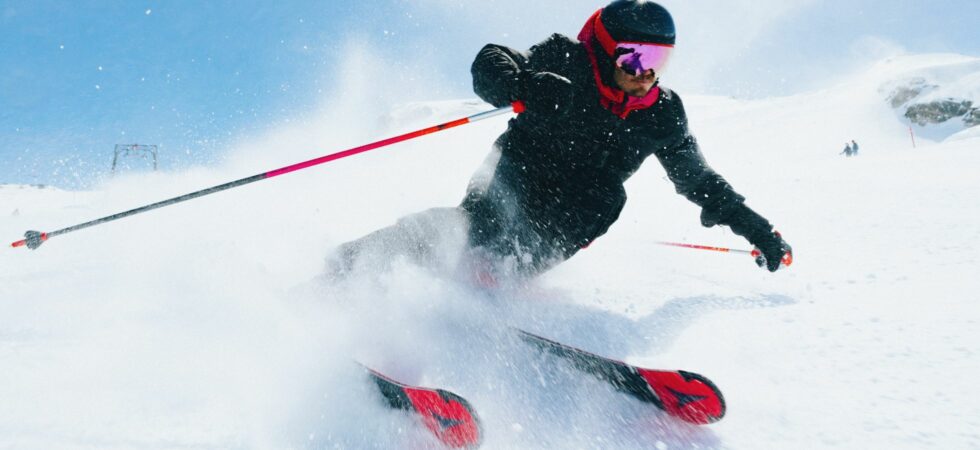
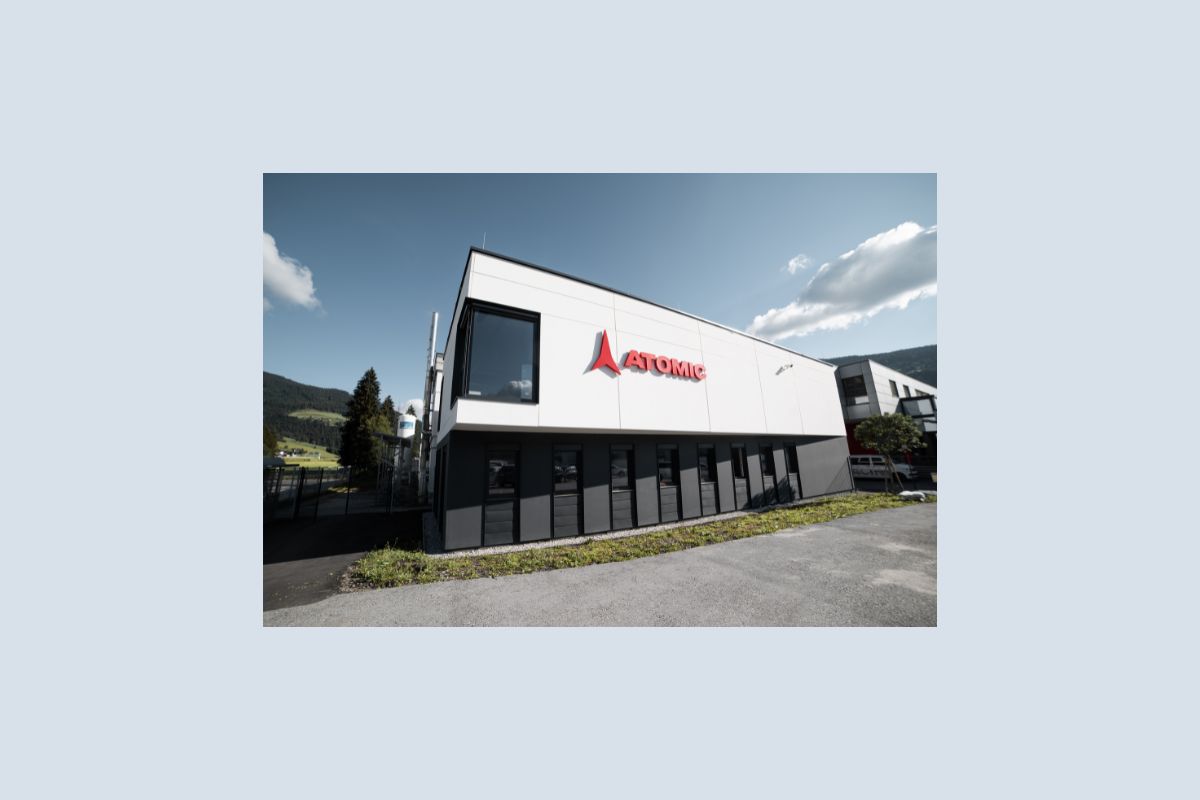
Atomic Is Skiing. Simple as That. Atomic has been one of the defining brands in winter sports for decades. The fact that its skis are still developed and manufactured in Altenmarkt, Austria, is far more than a matter of tradition. The company’s home in the Pongau region is a core part of Atomic’s identity – and a key reason for how the brand works, thinks, drives innovation, and understands skiing. And lives it.
ALTENMARKT: A PRODUCTION SITE WITH A DEEP CONNECTION TO THE MOUNTAINS
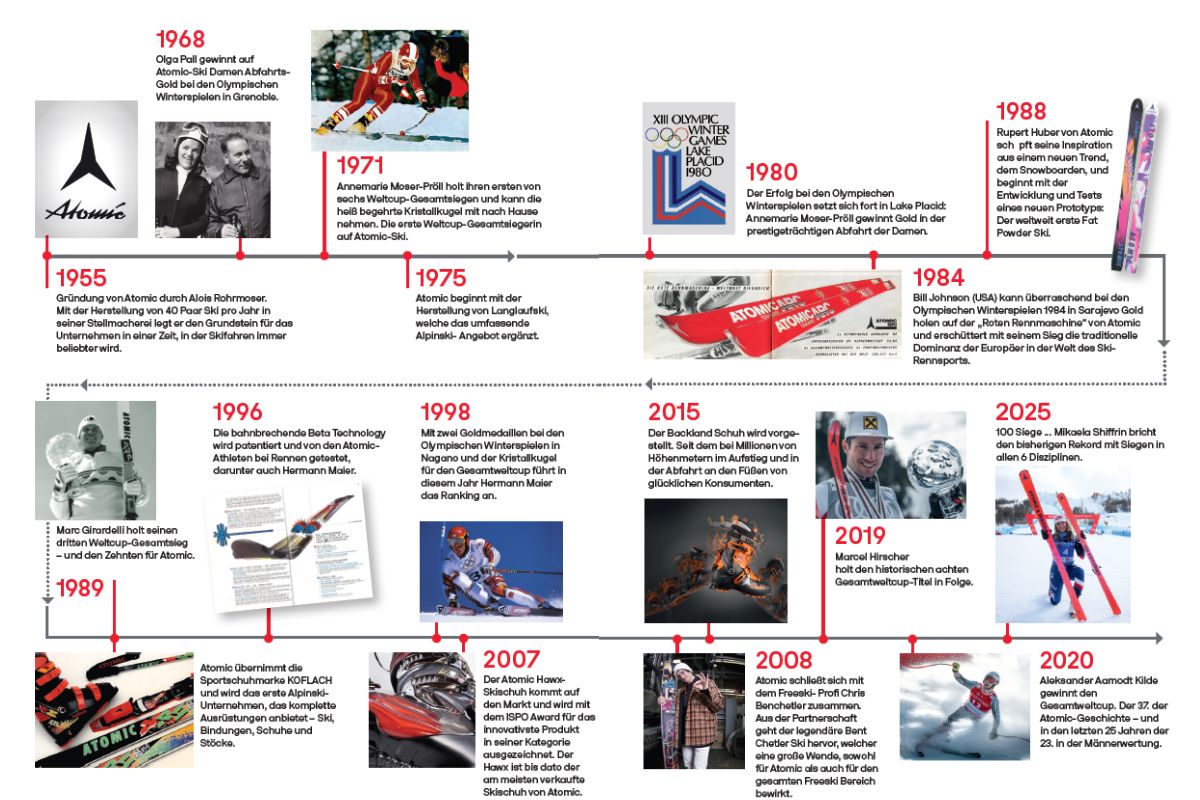
It all began in 1955. In his wheelwright’s workshop, Alois Rohrmoser laid the foundation by producing 40 pairs of skis per year by hand. Just 13 years later, Olga Pall won Olympic downhill gold on Atomic skis at the 1968 Winter Games in Grenoble. And that was only the beginning. Since then, skis made in Altenmarkt have been ridden all over the world – standing on podiums and becoming a natural presence in ski films. From Mikaela Shiffrin, Michelle Parker, and Bobby Brown to Marcel Hirscher, Hermann Maier, and Benni Raich.
The location, right next to demanding alpine terrain, allows for close integration between development, testing, and production. Prototypes can be taken onto snow within a very short time, tested under real conditions, and further refined.
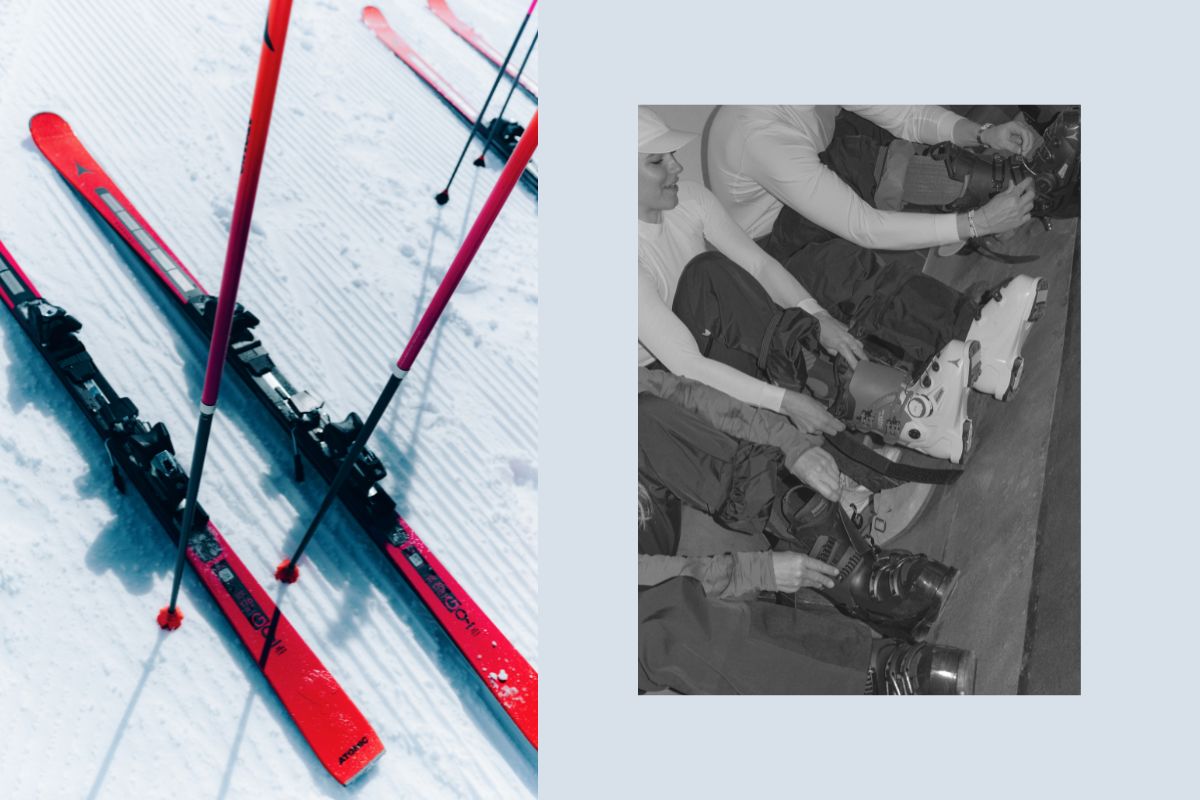
At the same time, production is defined by a combination of high-tech processes and skilled craftsmanship. Even the most advanced manufacturing methods cannot replace the expertise of Atomic’s employees:
- Wood cores are precisely milled and individually adapted
- Material layers are carefully positioned by hand
- Every edge receives its own fine-tuning
- Every ski undergoes a final quality inspection
This interaction ensures consistently high quality – even at large production volumes. And it has done so for 70 years. Production deliberately remains in Austria, with short supply routes, transparent processes, and a strong commitment to regional value creation.
CONVICTION AND RESPONSIBILITY: SUSTAINABILITY IN FOCUS
For more than 30 years, Atomic has been deeply committed to environmentally responsible production. For one simple reason: winter sports depend on stable ecological conditions. Accordingly, the company continuously works to improve sustainability across the entire value chain.
Key milestones from recent years include:
- Conversion to regional biomass as an energy source (2005)
- Introduction of heat recovery systems in production (2013)
- Recycling of sawdust, saving approx. 18.9 tons of CO₂ annually (since 2021)
- Establishment of an in-house sustainability team and standardized life cycle assessments (LCA) for skis, ski boots, and touring models (from 2022)
- ISO 14001 certification for systematic environmental management (2023)
But sustainability at Atomic goes beyond projects and numbers. The brand is deeply connected to the mountains – and from that connection comes a clear attitude: responsible action is a mindset. Many decisions begin with one key question:
How can we shape winter sports in a way that allows them to exist in the future?


This is why every new product development today includes the goal of conserving resources, using materials more consciously, and building skis that are durable and repairable. At the same time, Atomic is working on better end-of-life solutions – including take-back programs, new recycling concepts, and pilot projects for circular components.
This commitment continues to grow year after year and reflects how seriously Atomic takes the protection of the mountains that serve as both workplace and inspiration.
Atomic’s responsibility does not stop at its own products. Since 2023, the brand has published an annual climate report and set ambitious climate goals for itself.
In addition, Atomic sees itself as a connector within the industry. In 2023, the brand initiated the first Climate Summit of the winter sports industry. In September 2023, representatives from across the sector came together to discuss solutions for reducing the industry’s collective climate impact. Organized by Atomic and supported by Protect Our Winters (P.O.W.) and the Federation of the European Sporting Goods Industry (FESI), the summit brought together participants from 28 brands, 20 industry associations, and 8 suppliers for the first time.
The goal: to better understand shared challenges and develop concrete pathways toward solutions.
70 YEARS OF DEVELOPMENT – WITH A CLEAR VIEW FORWARD
Atomic’s history is shaped by the pioneering spirit of its early years and today’s high-tech production. At the same time, its focus is firmly on the future – in racing technology as well as in all-mountain, freeride, and touring skis.
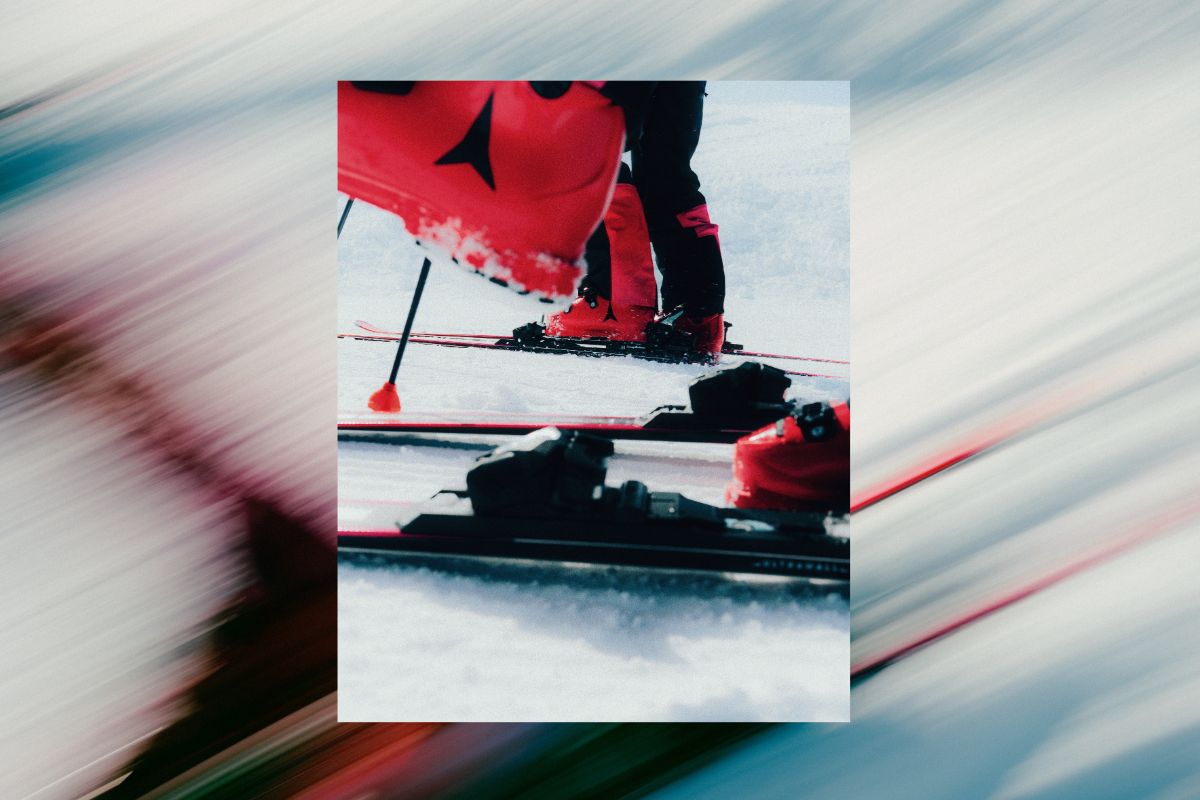
The anniversary highlights what Atomic stands for:
- Durable, high-quality products
- Production shaped by – and rooted in – the mountains
- Continuous innovation
- A clear and consistent stance on sustainability
The combination of regional roots and international reach remains at the heart of the brand. Atomic sees itself as part of the alpine ecosystem – and as a company that takes responsibility for preserving it.
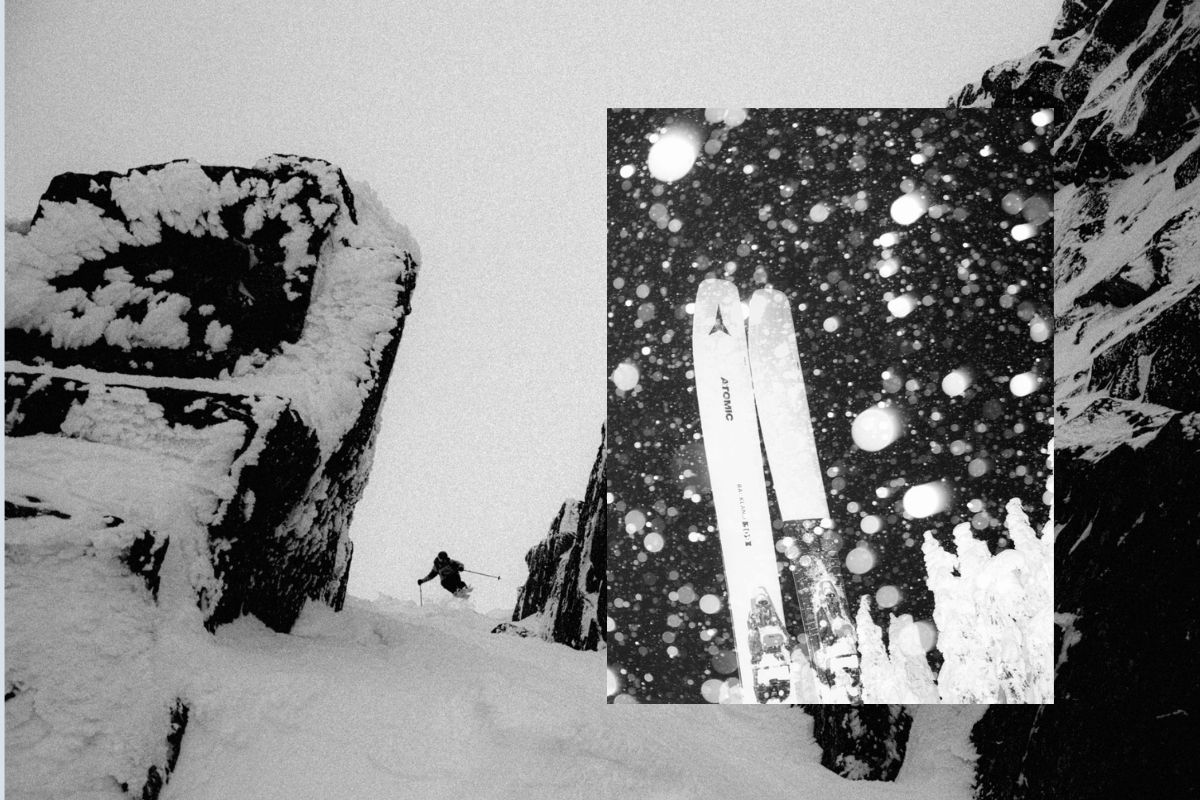
WE ARE SKIING. NOW AND IN THE FUTURE.
Atomic uses this anniversary not to look back nostalgically, but to reflect on its role in winter sports and continue to evolve. The focus is on future viability. Skis should not only deliver technical excellence but also help ensure that future generations can experience mountain sports in all their diversity.
Production in Altenmarkt, the knowledge of its employees, and a consistent commitment to sustainability form the foundation. What began 70 years ago with Alois Rohrmoser’s first handcrafted skis is today a modern, responsible brand with a clear mission: to preserve skiing – and keep rethinking it.
You Might Also Be Interested In
- Tune your skis: How to wax your skis at home – a complete guide
- Ski Length Guide
- “Sustainability is a team expedition”: Interview with Maria Ries, CSR Manager at Sport Conrad