
 Login
Login
 Stores
 Cart
Cart
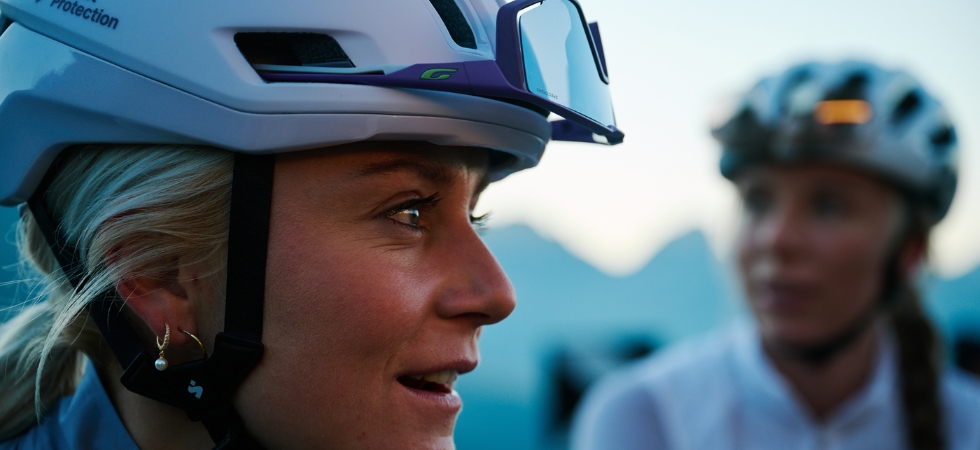
There are countless bike helmets on the market. From lightweight road bike helmets and robust MTB helmets to highly visible city helmets, there are specific models, technologies and features for almost every type of riding. At the same time, a helmet should not only protect you. It should fit well, feel comfortable, offer good ventilation and suit the way you ride. So, which bike helmet is the right one for you?
In this up-to-date market overview, we look not only at safety, but also at fit, comfort, ventilation, weight and features. We show you what matters in each category and which helmets are particularly worth a closer look. This gives you a clear bike helmet comparison and helps you find a model that suits you, your bike and your riding style.
Best Bike Helmets at a Glance
- 🏁 Best road bike helmets: POC Amidal MIPS, POC Ventral Air MIPS, Oakley Velo Stelvio, Kask Utopia Y, Sweet Protection Falconer 2Vi, Sweet Protection Tucker III 2Vi MIPS, Uvex Surge Aero MIPS
- 🌳 Best gravel bike helmets: Scott Sierra MIPS, Alpina Taunus Gravel MIPS, Oakley Aro3 Allroad MIPS, Sweet Protection Outrider MIPS, Giro Agilis Mips
- ⛰️ Best mountain bike helmets: Alpina Taunus MIPS, Alpina Rootage 2 MIPS, POC Cularis Pure MIPS, Giro Source MIPS, Giro Radix MIPS, Smith Forefront 3 MIPS, Sweet Protection Trailblazer MIPS
- 🏙️ Best bike helmets for city riding: POC Omne Air MIPS, Uvex I-vo 2 MIPS, Uvex Urban Planet, Alpina Brighton MIPS
How to Choose the Right Bike Helmet
A good bike helmet has one main job: to protect you reliably. To do that, it needs to fit properly, suit your riding style and ideally feel so comfortable that you actually enjoy wearing it. After all, even the best helmet is not much use if it presses, slips or starts to feel uncomfortable after just a few kilometres.
Fit is the first thing to look at. The helmet should sit evenly on your head without creating pressure points. It should not wobble, but it should not feel tight either. Most helmets can be fine-tuned using an adjustment system at the back of the head. The straps should lie flat and form a clean triangle below the ears. As a rule of thumb, you should be able to fit about one finger between the chin strap and your chin.
Your riding style also plays an important role. On a road bike, low weight, strong ventilation and an aerodynamic shape are key. For gravel riding, versatility matters, as you often switch between tarmac, gravel and easy trails. Mountain bike helmets usually offer more coverage around the temples and back of the head and, depending on the discipline, may come with a visor or additional protection. For everyday riding, visibility, easy handling and a comfortable fit are especially important.
Another point to consider is additional safety technology. Many modern bike helmets use systems designed to reduce rotational forces in angled impacts. These include MIPS, short for Multi-Directional Impact Protection System, or comparable technologies from other manufacturers.
In the end, it is all about the overall package. A bike helmet should suit your head, your bike and the rides you do. When protection, comfort, ventilation and handling all come together, you have found a helmet that will reliably support you on every ride.

These Features Matter for Every Bike Helmet:
- Safety: The helmet should be tested according to a current standard and offer reliable impact protection.
- Rotational protection: Systems such as MIPS or comparable technologies can provide a useful extra level of safety.
- Fit: The helmet needs to sit evenly without pressing or slipping.
- Adjustment system: A good adjustment system helps you fine-tune the fit to your head.
- Chin strap and strap routing: The straps should lie flat and be easy to adjust.
- Comfort: The helmet should remain comfortable even on longer rides.
- Ventilation: Good airflow helps keep your head comfortable under the helmet.
- Weight: A lighter helmet is usually more pleasant to wear, especially on longer rides.
- Padding: Removable or washable pads improve comfort and hygiene.
- Visibility: Reflective details, bright colours or integrated lights can be helpful in traffic.
- Compatibility: The helmet should work well with sunglasses, sports glasses, a thin hat or a headband.
Which Bike Helmet Suits Your Riding Style?
Not every bike helmet is equally suitable for every ride. The requirements change depending on whether you are putting in kilometres on the road bike, riding gravel tracks, exploring trails on your mountain bike or commuting through the city. Sometimes weight and ventilation matter most. In other situations, additional coverage, visibility or simple everyday handling are more important.
That is why this comparison is structured by riding style: road bike, gravel bike, mountain bike and everyday riding. This makes it easier to see which bike helmet best suits the way you ride, your bike and the terrain you are on.
Road Bike
Road bike helmets are designed for sporty rides on tarmac. They are made for riders who cover long distances, train regularly or enjoy fast-paced road rides. Compared to many other bike helmets, they usually have a slimmer profile, sit close to the head and are designed around an efficient riding position. This makes them a good choice for anyone who spends a lot of time on the road bike and values performance and comfort.

Key Features of Road Bike Helmets:
- Aerodynamic shape for fast rides, training and racing
- Very low weight for long distances and plenty of climbing
- Strong ventilation at high intensity, especially on climbs
- Compact, slim construction to suit a sporty riding position
- Glasses storage for sports glasses during breaks or climbs
- Focus on efficiency and performance rather than extra coverage or everyday features
Our Highlights for Road Cyclists:


Gravel Bike
Gravel helmets sit somewhere between road bike and mountain bike helmets. They are ideal for riders who start on tarmac, continue onto gravel and occasionally take on forest roads or easy trails. That is why they are often designed to be more versatile than classic road helmets. They should still look and feel sporty, but offer enough reserve for changing surfaces. For gravel riders, the ideal helmet is one that stays comfortable on long rides and still feels secure when the terrain gets rougher.
Tip from our magazine: One of our mountain-loving experts from the Sport Conrad team tested the Scott Sierra MIPS gravel bike helmet over several months. In our Scott Sierra MIPS helmet review, we show you how the helmet performs in real-world use and who it is best suited for.

Key Features of Gravel Helmets:
- Versatile construction for tarmac, gravel, forest roads and easy trails
- Slightly more coverage at the back of the head than many classic road bike helmets
- Secure fit on rough surfaces
- More robust feel for changing conditions and longer adventures
- Good balance of ventilation, protection and weight
- Optional small visor or other gravel-ready details
Our Highlights for Gravel Riders:


Mountainbike
Mountain bike helmets are built for more demanding terrain. They come into their own when roots, rocks, tight corners, steep descents or fast changes of direction are part of the ride. Compared to road or gravel helmets, they are usually more robust and, depending on the model, offer more coverage at the back of the head and around the temples. Which MTB helmet is right for you depends heavily on how and where you ride. For tours and moderate trails, a lightweight half-shell helmet is often enough. For enduro, bike park riding or fast descents, a full-face or convertible helmet can be the better choice.

Key Features of Mountain Bike Helmets:
- Extended protection, especially at the back of the head
- Secure fit on technical descents and during quick changes of direction
- Visor for protection against sun, branches and spray
- More robust shell for trail, all-mountain or enduro riding
- Compatibility with glasses or goggles on sportier MTB models
- More coverage than road or gravel helmets
- Available as half-shell, full-face or convertible helmets depending on the intended use
Our Highlights for Mountain Bikers:


Everyday Riding & City
City helmets are made for anyone who uses their bike in everyday life. This includes commuting, running errands, riding through town or taking relaxed spins on cycle paths. Compared to sport-focused bike helmets, speed and performance are less important here. Instead, easy handling, good visibility and a comfortable fit take centre stage. Many everyday bike helmets have a more understated look, are easy to adjust and fit well into an urban setting.
Key Features of Everyday Bike Helmets:
- High visibility in traffic
- Reflective elements or integrated rear light
- Easy handling in daily use, even with gloves or a thin hat
- Understated design
- Comfort for short to medium distances
- Good coverage for city traffic and commuting
- Practical features such as magnetic buckle, rain cover or insect mesh, depending on the model
Our Highlights for Everyday Bike Helmets:


Conclusion: The Best Bike Helmets of 2026
There is no single best bike helmet for everyone. What matters most is where and how you ride. On the road bike, performance, weight and ventilation are key. For gravel riding, you need a versatile helmet that can handle long rides, gravel tracks and changing conditions. On the mountain bike, additional protection off-road is the main focus. For everyday riding and city use, visibility, comfort and easy handling are especially important.
Our selection shows that the best helmet is always the one that suits your head, your bike and your riding style. For road cyclists, the Oakley Velo Stelvio is an exciting choice. Gravel riders should take a closer look at the Scott Sierra MIPS. Mountain bikers will find strong trail-ready options in the Smith Forefront 3 MIPS or Sweet Protection Trailblazer MIPS. For everyday riding, the Alpina Brighton MIPS is a practical choice, with integrated light strips that help you stay visible in the dark.