
 Login
Login
 Stores
 Cart
Cart

When temperatures drop, tours get longer, and trails turn icy, cold hands or feet can quickly ruin the fun. In this guide, we’ll show you what to look for when choosing gloves and socks, how the right layering system, materials like merino wool, and high-tech products such as heated gloves and warming pads can help you beat the chill.
Cold is the biggest comfort risk during outdoor activities—especially for hands and feet, because circulation decreases faster in the extremities. If you’re well prepared here, you’ll stay happier and more capable for longer. Below, we break down the best materials, products, and simple tactics to keep the cold under control.
Which materials and products help with cold hands and feet?
1. Merino wool
A key factor is material choice. Classic wool remains one of the best options for warmth—especially merino wool, which combines several valuable properties. It retains heat, absorbs relatively little moisture, and feels comfortable on the skin. Merino also performs extremely well when it comes to odor management, which is why these socks can often be worn multiple times—even on multi-day hut tours.
2. Heated gloves and socks
For extremely cold conditions—or if your hands and feet are particularly sensitive—heated socks and gloves can provide an extra boost of warmth. For example, brands like Lenz use integrated heating elements in the toe area, while heated gloves often feature heating wires that wrap around the fingers and also warm the back of the hand.
Important: the fit must not be too tight. Gloves or socks that are too snug compress insulation and reduce blood circulation, which can make your hands and feet feel even colder.

Merino wool is a true classic in ski underwear and particularly effective for cold feet. Photo: Sport Conrad
3. Insoles and warming pads
For your feet, additional insoles can help—such as genuine lambswool insoles. Compared to many synthetic thermal insoles, they often offer the advantage of maintaining better breathability.
For anyone who gets cold easily—and especially for kids—warming pads can also make a big difference. There are reusable versions available, including child-friendly designs like penguins or polar bears.
How can I actively protect myself against cold extremities?
Here it’s all about smart tactics and acting at the right time:
1. Use the layering system
When it’s really cold or you’ll be standing around for long periods, layering is your best friend: a thin liner glove or sock layer, a warm insulating mid-layer, and an outer wind- and waterproof layer is the most effective setup.
2. Change damp gloves or socks immediately
This is essential—especially for ski touring. Sweat-soaked gloves or socks should be replaced right away, because moisture pulls heat from the body. Moisture also needs to be blocked from the outside. High-quality boots and overgloves (for example with GORE-TEX) should prevent water from reaching your insulating layers in the first place.
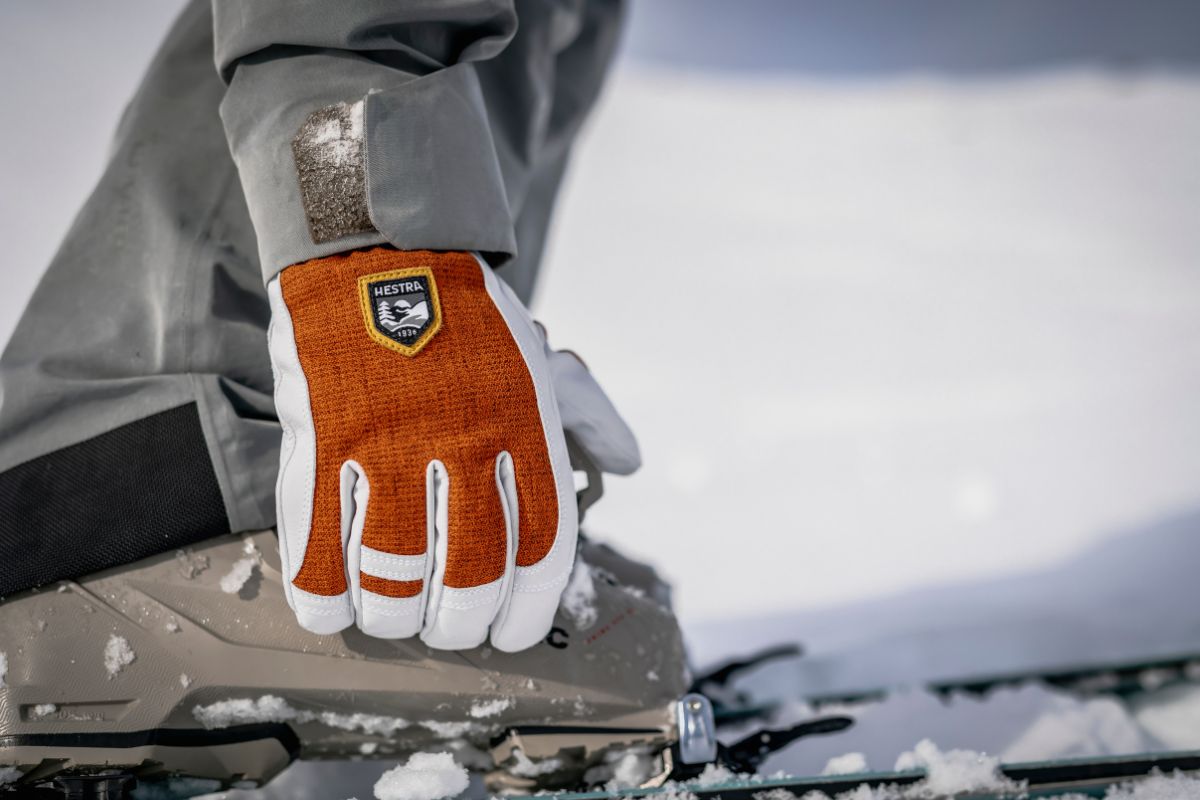
Put your jacket over your gloves and change wet gloves immediately – our tip for preventing cold hands when skiing. Photo: Hestra
3. Movement always helps
Even small finger and toe exercises improve circulation. A simple trick: spread and squeeze your fingers, clap your hands together, or wiggle your toes.
4. Seal out the wind
Use glove cuffs properly, or tuck your gloves into your jacket sleeves so cold wind can’t reach your hands. For feet, snow gaiters on ski pants—or additional boot gaiters—often help prevent cold air from getting in.
Conclusion
Cold hands and feet don’t have to be an unavoidable part of outdoor adventures. With the right mix of materials, a bit of planning, and smart gear choices, your hands and feet can stay warm and flexible. Merino wool, layering, movement, and—when needed—high-tech products help ensure you’re not freezing in the cold, but actually enjoying your tour.