
 Login
Login
 Stores
 Cart
Cart
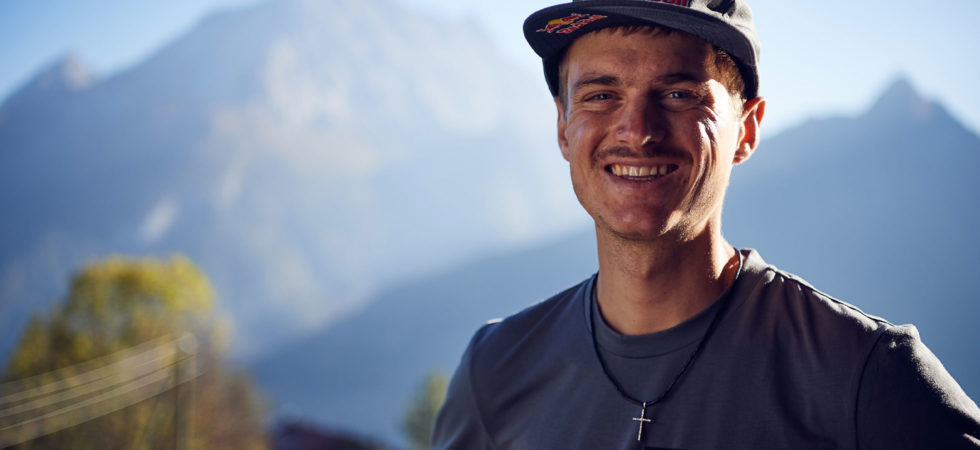
Growing up in Ramsau in the Berchtesgadener Land region with a view of the 2,713-meter-high Watzmann massif, it is understandable that Anton has made this attitude to life his program. The mountains are not only Anton’s home and source of strength, but also his big playground from a very young age. He sees it as his challenge to climb them as quickly as possible on skis, on foot or by bike, the steeper the better. With the nice side effect of being in a dreamlike landscape.
“Doni” gives gas on the mountain like no other. Not only in winter as one of the best ski mountaineers in the world, but also in summer as an internationally successful mountain runner.
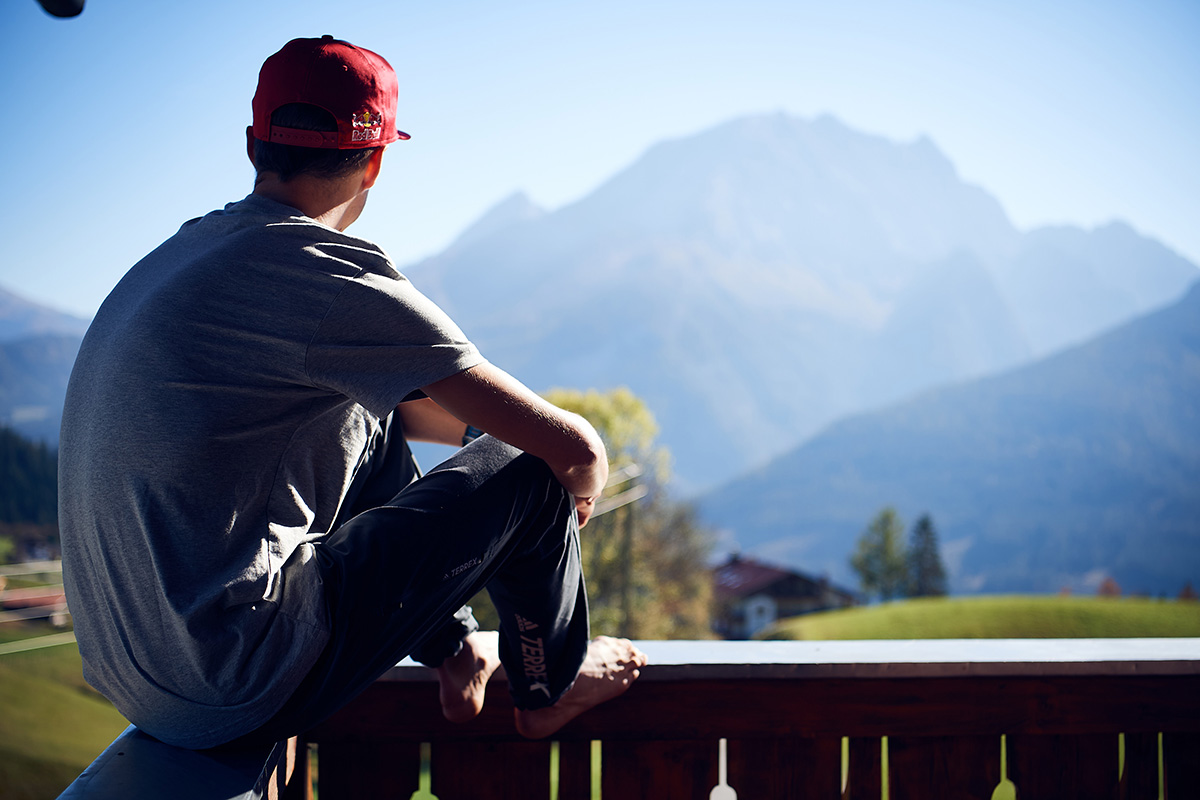 © Manuel Ferrigato
Hey Toni, how are you doing after your incredible achievement to run the Watzmann traverse in under 3 hours?
I’m great! After my record, I took about a week off running and alternatively trained a lot on the bike. My training is going very well and at the moment I am in Obertauern with the DAV SkimoTeamGermany for an altitude training.
Please explain to everyone: What exactly is FKT and why is FKT walking experiencing such hype?
FKT stands for “Fastest Known Time”. This is the fastest time on a particular route. Since there are virtually no competitions this summer due to Corona, FKT projects have been given high priority. You can realize cool projects on your own and at least compete with the “clock”.
 © Philipp Reiter
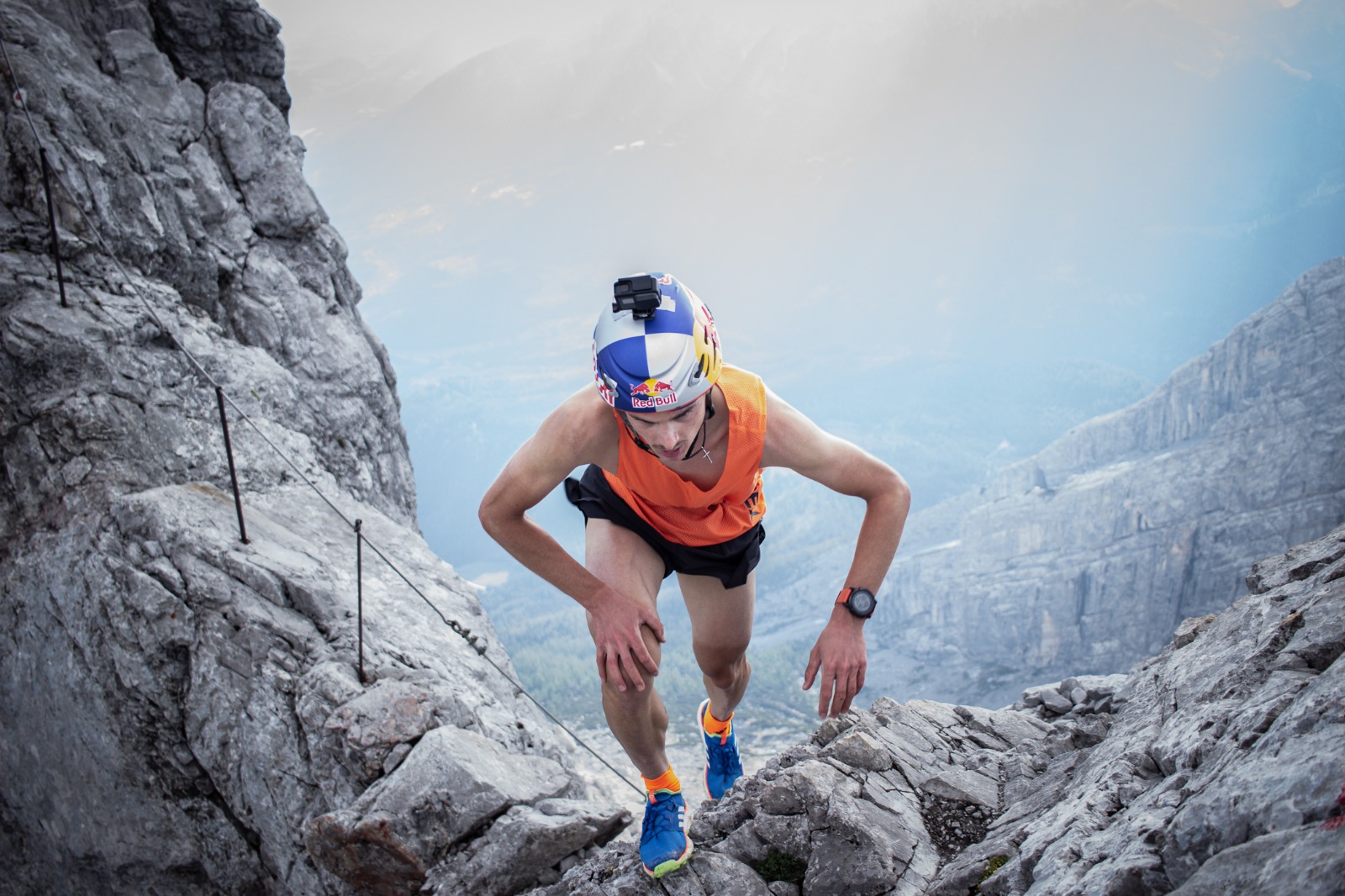
A hobby runner or mountaineer needs at least one day for the Watzmann-Tour, as a pleasure tour two hiking days are recommended; you need 2.47h – what is the attraction for you? And can we now expect more peaks on the trail from you?
The Watzmann accompanies me all my life and since I was 16 years old, the crossing is a test track for me. Over the years I want to see the process of me on this track. Back then I started with 3:25h, then 2015 with 3:10h and 2018 it was 3:06h. The next logical step was Sub 3, to break the 3 hours mark. Thanks to an ideal preparation and optimal conditions on the mountain I succeeded quite well 😉
The course demands everything from a mountain runner: steep up- and downhills, technical sections and with about 23km it is quite long. I don’t know yet if I will do more running projects in the future. At the moment my sportive focus is on next winter.
Now there are also critics of FKTs in general and of riskier alpine tours in particular. Are you aware of this? And how do you react to it?
I know the criticism and can understand it in part. However, I always emphasize that I make my records for myself and do not endanger other people. I do not call to imitate my records. On the contrary, especially on a high alpine tour like the Watzmann crossing, it is important to me to point out the dangers. Furthermore, I am of the opinion that a healthy self-assessment of each runner is not too much to ask. After all, I’m not going down the Streif in Kitzbühel at 150km/h just because I see it on TV ;). Besides, there have always been alpine records and pioneering achievements. They are part of the history of the mountains.
And personally, how do you deal with the issue of risk?
I do not risk anything with such projects. I can rule out 95% of the possibility that something will happen because of my training over the years. I grew up in the Berchtesgadener Mountains and since I can walk my dad (mountain guide) has given me a lot. I really think that I am safe on the road!
If people are as interested in speed as you are, lightness of material is central: Can you take a look at your equipment with us?
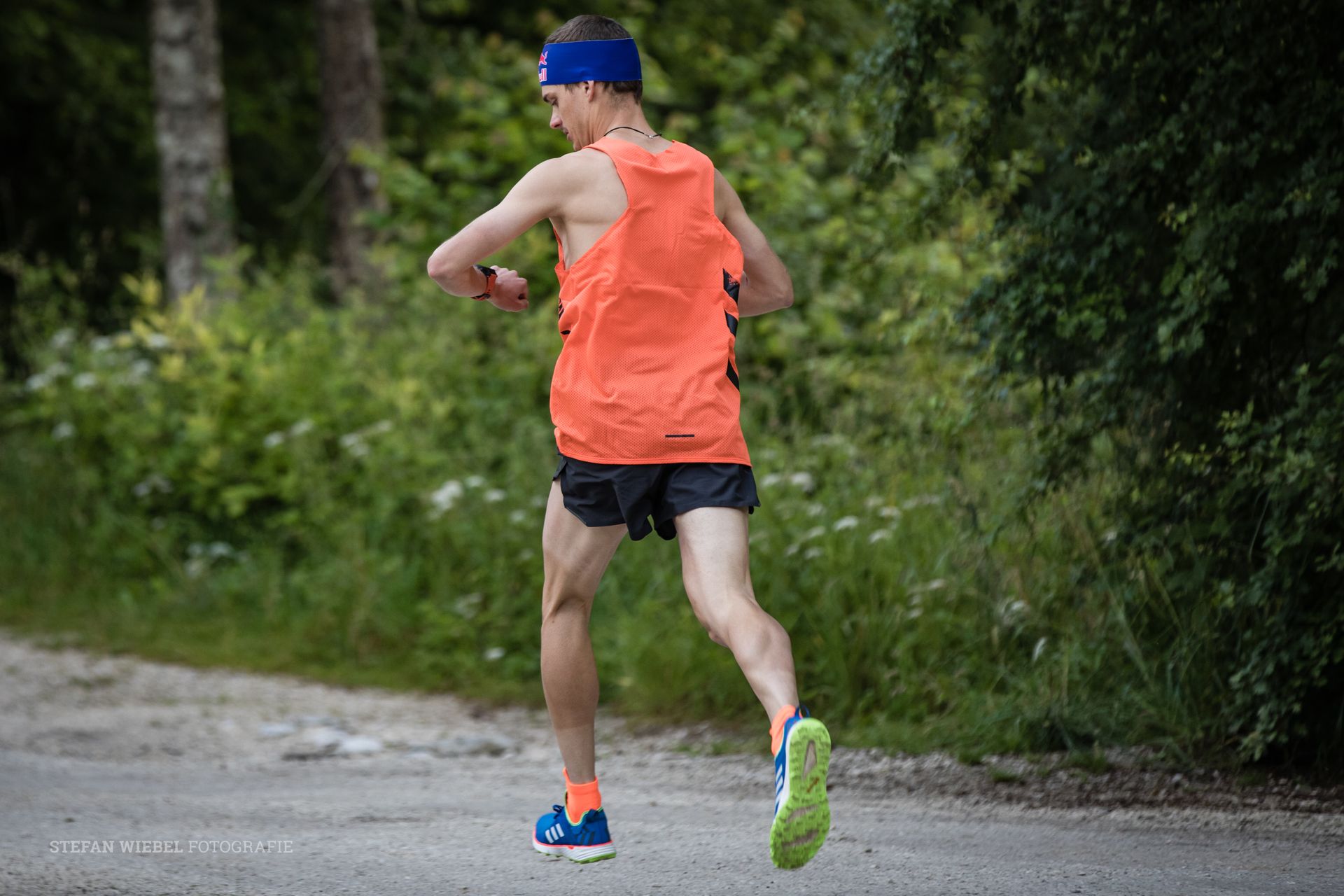
At my record, the weather was stable, so I only wore the adidas TERREX Agravic running shorts and tank top. I also ran the adidas TERREX Speed LD. A light competition shoe with 250g and perfect grip. That was it… Lightness brings safety!
Actually your main sport is ski mountaineering with the German national team. What is the connection between these two sports for you?
For both sports you need mountains! You don’t need a gym or sports center. Mountain running in summer is an ideal training for ski mountaineering in winter, and vice versa. This makes it easy to combine the two endurance sports.
 © Stefan Wiebel
You have been by far the most successful German sportsman in ski mountaineering for years and are among the world’s best internationally: What are your goals for your career as a winter sportsman?
My biggest goal is to become world champion in the singles! 2021 I have the chance again to realize this dream.
Ski mountaineering as a competitive sport is a marginal sport and takes place off the beaten track, yet ski touring has been experiencing a boom for years. Why is this so and where do you see possibilities to focus on strengthening your athletes?
Ski mountaineering or better the mountains give people the necessary distance to the stressful everyday life. On the mountains you can simply switch off and regain your energy. That’s why, I think, so many people go on ski tours.
An important step for competitive sports in Germany was certainly the first German World Cup last February at the Jenner in Berchtesgaden. Some 1000 spectators were on the mountain and could experience the fascination of our sport live.
From my point of view, ski mountaineering competitions must increasingly be held in the major ski regions in order to be more tangible for spectators and the media. Then Skimo will also get more attention.
Are there any sports role models for you?
No, not really. All professional athletes are lucky to have turned their hobby into their profession. There are people who have achieved much more than “just” being successful in sports!