
 Login
Login
 Stores
 Cart
Cart
When we talk about sustainability at Patagonia, it is not about perfection. And that is exactly what makes it so credible. Patagonia openly states that no company, including itself, can give more back to the environment than it takes. Every jacket, every backpack, every product requires resources. That is the reality.
Patagonia makes it clear where they stand and where they still have work to do. That is exactly what their current report is about. It is deliberately titled “Work in Progress”.
THE SUSTAINABILITY PROCESS
At Patagonia, sustainability is not a goal that can be achieved once and for all. It is an ongoing process. The report makes this very clear. Patagonia describes its own development as something that can be chaotic at times, sometimes challenging, but ultimately always a step forward.
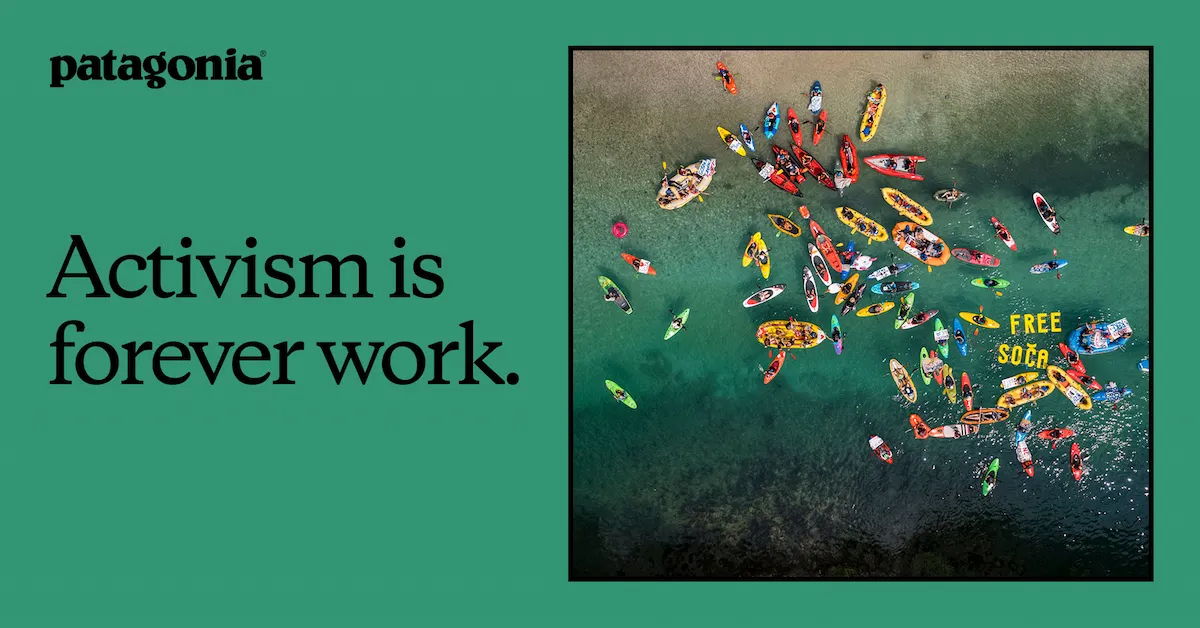
„Activism is forever work.“
This is a very honest statement from Patagonia. They do not claim to have found the ultimate solution to sustainability and are willing to continuously rethink and improve. In practical terms, this means constantly questioning, adapting, and rethinking their approach.
Here is the full “Work in Progress” report by Patagonia
WHAT IS BEHIND THE “WORK IN PROGRESS” REPORT?
The report shows where Patagonia currently stands and which topics they are focusing on. It is not just about products or materials, but about the company as a whole, from supply chains and climate goals to social responsibility.
But why does Patagonia publish this report? The reason is simple. Transparency creates accountability, both internally and externally. The report is meant to show what works and what does not.
At Sport Conrad, we value brands that do not only highlight their successes but also openly address their challenges. That is where real change begins. For us, this is highly relevant. It helps us better understand how products are made, which materials are used, and where potential weaknesses lie. This allows us to give more informed advice and provide honest answers. Transparency builds trust and helps us make more conscious decisions when selecting brands and products. And that is something we can pass on to our customers.
WHAT IS ALREADY WORKING WELL?
Even though Patagonia takes a critical look at itself, there are many areas where real progress has been made. Here are three examples from the report:
A large share of the materials used are now recycled or certified. According to Patagonia, 84 percent of all fabrics and materials qualify as preferred materials, meaning they are significantly more environmentally friendly than conventional alternatives.
More than 95 percent of their products are made in Fair Trade certified factories. This means better working conditions and additional financial benefits for the people producing the goods.
Patagonia launched the Worn Wear program back in 2012. The idea is simple yet effective: extend the life cycle of products. Reduce, repair, reuse. For Patagonia, responsibility does not end at the point of sale. The goal is to keep products in use for as long as possible. Through repairs, resale, or passing them on, resources are conserved.

WHERE ARE THE CHALLENGES?
„Nothing we do is sustainable.“
This is not meant as a provocation, but as a realistic perspective. Patagonia communicates the challenges around sustainability very openly. Despite all efforts, emissions have recently increased slightly, partly because some products have a higher carbon footprint than others. Recycled materials are not a perfect solution either. They require energy and cannot be reused indefinitely.
Patagonia acknowledges that every product has an impact. True sustainability within a system based on production and consumption remains difficult to achieve.


RELEVANCE FOR SPORT CONRAD
As a retailer, we are positioned between brands and consumers, which comes with responsibility. We consciously decide which brands we carry and which products we recommend. Our role is to:
- Offer products that are built to last
- Provide background knowledge and transparency
- Encourage repair and proper care
- Support more conscious purchasing decisions