
 Login
Login
 Stores
 Cart
Cart
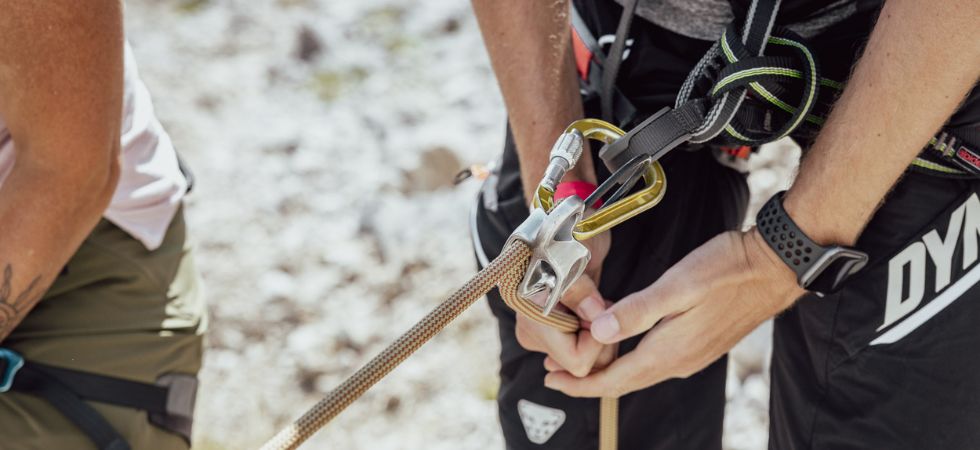
When you belay, you take responsibility for your climbing partner. The belay device is a key part of the safety system, but which one is right for you? A semi automatic device, an autotuber or a classic tube? The differences are not just about handling, but also about braking assistance and where each device can be used. Whether you climb at the gym, at the crag or on multi pitch routes, this guide explains the different types of belay devices, what to look for when choosing one and which system best suits your climbing.
Key Takeaways
- 🧗 Sport climbing: For indoor climbing and sport climbing at the crag, the DAV recommends belay devices with assisted braking.
- ⚙️ Device type: Semi automatic devices, autotubers and tubes mainly differ in their braking assistance and handling.
- 🪢 Compatibility: Rope diameter, rope type and belay device need to be compatible.
- ⚖️ Weight difference: If there is a significant weight difference between climbing partners, additional braking devices can provide extra support for the belayer.
- ✋ Safe handling: No matter which system you use, the brake hand principle always applies and you need to be fully confident using your device correctly.
What Does a Belay Device Actually Do?
A belay device helps you control the climbing rope and manage the forces generated during a fall. Depending on the design, the rope is either slowed through friction or additionally locked by the device. Besides catching falls, one of its main functions is allowing you to lower your climbing partner in a controlled way. Some devices can also be used for rappelling or belaying a second on multi pitch routes.
How much support a belay device provides when braking depends on the system. With a classic tube, for example, the braking effect is created by friction and by changing the direction of the rope. Other devices use geometric or mechanical assisted braking, which can provide an additional safety margin when catching a fall.
Whatever device you use, one rule always applies: your brake hand stays on the brake rope. Even a device with assisted braking does not do the belaying for you. Knowing your device, understanding how to operate it correctly and following the brake hand principle at all times are essential.
ℹ️ Brake Hand Principle
When belaying, one hand must always remain securely around the brake rope. This applies whether you are using a semi automatic device, an autotuber or a tube. Your brake hand must also remain in the position specified for your particular device so that a fall can be caught reliably.
Different Types of Climbing Belay Devices: Semi Automatic Devices, Autotubers and Tubes Explained
When looking at belay devices, you will quickly come across terms such as semi automatic device, autotuber and tube. However, these categories are not always defined in exactly the same way. The German Alpine Club, or DAV, for example, uses “semi automatic” as an umbrella term for belay devices with assisted braking and includes autotubers in this category. Manufacturers may make more specific distinctions based on how a device works and the standards it meets. When choosing a belay device, the most important factors are therefore how it brakes, how it is operated and what type of climbing it is designed for.
Assisted-Braking Devices with a Mechanical Cam
With semi automatic belay devices that use mechanical assisted braking, the rope is pinched by a moving mechanism inside the device when it comes under load. This means that catching a fall depends much less on the belayer’s grip strength than it does with a classic tube.
For sport climbing at the gym and at the crag, devices with assisted braking provide an additional safety margin. This is precisely why the DAV recommends them as the primary type of belay device for these situations. The brake hand principle still applies at all times.
Autotubers: Assisted-Braking Devices with Geometric Blocking
Autotubers also belong to the semi automatic category because they provide assisted braking. Unlike devices with a moving cam mechanism, however, this assistance is created by the geometry of the device. Under load, the rope is pinched between the belay device and the carabiner. The braking and locking performance therefore depends partly on the rope and belay carabiner being used. In terms of handling, autotubers are often similar to classic tubes. The brake hand principle applies here without exception as well.


Classic Tubes: Versatile Belay Devices Without Assisted Braking
With classic tubes, braking is generated by redirecting the rope and creating friction within the device and against the carabiner. Unlike devices with assisted braking, the required braking force must be actively generated by the belayer. Keeping your brake hand in the correct position is therefore particularly important.
In return, tubes offer a simple design, smooth rope handling and plenty of versatility. Many alpine tubes can be used with two rope strands and are suitable for rappelling. Models approved for guide or plate mode can also be used to belay one or more seconds directly from the anchor. While the DAV recommends assisted braking devices for sport climbing, tubes and the Munter hitch remain established belaying methods for multi pitch climbing.


Climbing Gear: Which Belay Device Is Best for Which Type of Climbing?
Not every belay device is equally well suited to every type of climbing. At the gym and when sport climbing, reliable assisted braking and smooth handling are usually the main priorities. On multi pitch routes, other factors also become important. These include belaying with two rope strands, belaying from the anchor and being able to rappel with the device.
Indoor Climbing and Sport Climbing at the Crag
For sport climbing at the gym and at the crag, the German Alpine Club recommends belay devices with assisted braking. This includes both semi automatic devices and autotubers. The reason is simple: if the device locks during a fall, holding the fall depends less on the belayer’s grip strength, providing an additional safety margin.
Whether you prefer a semi automatic device or an autotuber comes down largely to handling. When lead climbing in particular, you need to be able to pay out rope quickly and take it in again just as efficiently. Instead of focusing only on the type of assisted braking, choose a device whose handling you understand and can use confidently.
Top Rope Climbing and Projecting
When top rope climbing or working on a project, the climber often spends more time hanging on the rope. Semi automatic devices can be particularly comfortable in these situations because the locking mechanism engages when the rope is loaded. That does not mean you can let go of the brake rope once the device has locked. Your brake hand must remain on the brake rope at all times.
Multi Pitch and Alpine Climbing
The requirements change on multi pitch routes. Depending on the climb, you may need to belay both a leader and one or more seconds, climb with half or twin ropes and rappel using the belay device. This is why the DAV still considers tubes and the Munter hitch standard belaying methods for multi pitch climbing. With a Munter hitch, the rope is secured using a Munter hitch on a suitable HMS carabiner, without the need for a separate belay device. Tubes and autotubers with two rope channels are especially versatile and, depending on the model, can also be used with half and twin ropes.
That does not mean semi automatic devices are unsuitable for multi pitch climbing. Modern devices are increasingly expanding into this area. The Edelrid Pinch, for example, is specifically designed for multi pitch use as well and can be used to belay a second directly from the anchor. Instead of simply asking “semi automatic device or tube?”, consider which functions you actually need for the routes you climb.
What to Look for When Buying a Climbing Belay Device
The right climbing belay device depends on where you climb, the rope you use and your personal preferences when it comes to handling. Before buying, pay particular attention to the following points:
- Type of climbing: For sport climbing at the gym and at the crag, the DAV recommends devices with assisted braking. On multi pitch routes, features for belaying a second, rappelling or using two rope strands may be more important.
- Rope diameter: Every belay device is approved only for a specific range of rope diameters. The diameter and condition of the rope can also affect braking performance and handling.
- Rope type: If you climb with half or twin ropes, your belay device needs to be approved for that rope type and, where required, for use with two rope strands.
- Handling: Paying out rope, taking it in and lowering should feel controlled and intuitive. Most importantly, you need to be fully confident with the handling technique specified for your device.
- Belay carabiner: The device and carabiner must be compatible. For some belay devices, manufacturers specify or explicitly recommend certain carabiners or carabiner shapes.
- Additional features: Think about which functions you genuinely need, such as rappelling or belaying a second on multi pitch routes. More features do not automatically make a belay device the better choice.
Weight Differences in Climbing: When an Additional Braking Device Makes Sense
If the climber is significantly heavier than the belayer, catching a fall can become more challenging. During a fall, the lighter belayer may be pulled sharply upwards, which can increase the braking distance and the risk of collisions or hitting the wall. Weight differences become particularly important when the rope runs straight through the protection with very little friction.
Additional braking devices are integrated into the rope system and increase braking force when the rope comes under load. This reduces the forces acting on the belayer and can help compensate for larger weight differences between climbing partners. The amount of assistance depends on factors including the device itself, the rope and the route of the rope through the protection.
An additional braking device is no substitute for good belaying technique or the brake hand principle. As it adds further components to the safety system, you should always familiarise yourself with the correct setup and follow the manufacturer’s instructions for the specific system.
Edelrid Pinch and Ohmega: Two Interesting Belaying Solutions
With the Pinch and Ohmega, Edelrid offers two interesting products that address different aspects of belaying. The Pinch is a versatile belay device with assisted braking that can be used for sport climbing as well as multi pitch climbing.
The Ohmega, on the other hand, is not a conventional belay device but an additional braking device. Three adjustable braking levels provide support for the belayer, while an integrated pulley helps keep additional rope friction low when climbing and clipping. This makes the Ohmega useful not only for climbing partners with a significant weight difference, but also for anyone looking for additional comfort and assistance while belaying. When using the Ohmega, always follow the current instructions for use and safety information. To reduce the risk of a ground fall, the DAV recommends backing up the device with a quickdraw. The screw connection should also be checked in accordance with Edelrid’s current safety notice.


Safe Belaying Is About More Than the Device
A modern belay device can help you catch a fall, but it cannot replace good belaying technique. The DAV emphasises that every belay device requires its own handling technique and that the necessary movements need to be practised until they can be performed reliably.
The brake hand principle remains particularly important: one hand controls the brake rope at all times. A partner check should also be carried out before every climb. This includes checking the harness, tie in knot and making sure the belay system is correctly set up and closed.
If you switch to a new belay device, take the time to learn the handling technique specified by the manufacturer and practise using it in a controlled environment first. Semi automatic devices and autotubers can only provide their full safety benefits when they are used correctly.
Conclusion: Finding the Right Belay Device for Your Climbing
There is no single best belay device for everyone. What matters is choosing a system that suits the type of climbing you do, works with your rope and meets your individual requirements, while also being a device you can operate confidently. For sport climbing at the gym and at the crag, semi automatic devices and autotubers with assisted braking provide an additional safety margin. For multi pitch and alpine climbing, tubes also continue to play an important role thanks to their versatility.
Take your time when choosing a device, compare the different systems and always check the manufacturer’s specifications for rope compatibility, carabiners and intended use. Ultimately, the best belay device is not the one with the most features, but the one that suits your climbing and that you can use reliably.