
 Login
Login
 Stores
 Cart
Cart
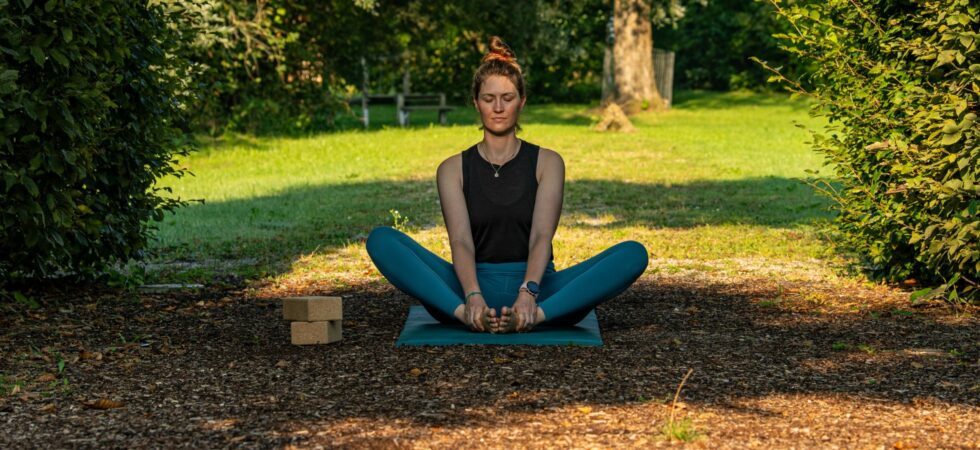
We all know the saying ‘Skiers are made in summer!’ After all, after the season is before the season and if we want to start the next winter fit and regenerated, it’s important that we start early enough. But for us, that doesn’t just mean classic squats and sit-ups – we’re getting more and more ideas and inspiration from yoga.
Skiing and ski touring appeal to many areas of our bodies, but it is usually one-sided movement patterns that challenge our bodies. With targeted yoga exercises, you can strengthen your leg and core muscles, mobilise your hips, train your balance and bring your body and mind into balance.
However, it’s not just fitness that you need when touring, but also mental strength, flexibility and stability – especially in your hips, back and legs. Yoga provides you with optimal support – both before the ski tour for preparation and afterwards for regeneration.
WHY YOGA FOR SKI TOURing?
– Strengthens leg, gluteal and core muscles
– Mobilises the hips and spine
– Promotes balance and coordination
– Relieves back pain and tension
– Supports regeneration and mental focussing
8 ASANAS TO JOIN IN: STEP-BY-STEP INSTRUCTIONS
With the following eight yoga exercises for ski tourers, you can bring more ease to your ascent, more stability to your turns – and prevent injuries.
1. 90/90 hip mobilisation – better mobility for slope & powder
This exercise improves your hip mobility, prevents evasive movements in the lower back and prepares you perfectly for tight turns and technical descents.
Here’s how to do it:
Sit down with your legs straight and support yourself with both hands behind your back. Your back is long. Now let both legs tilt to the right. Just enough to keep both ischial bones on the floor. Then tilt both legs to the other side again. Now alternate side by side, making sure that the legs remain bent at a 90 degree angle.
15-20 repetitions
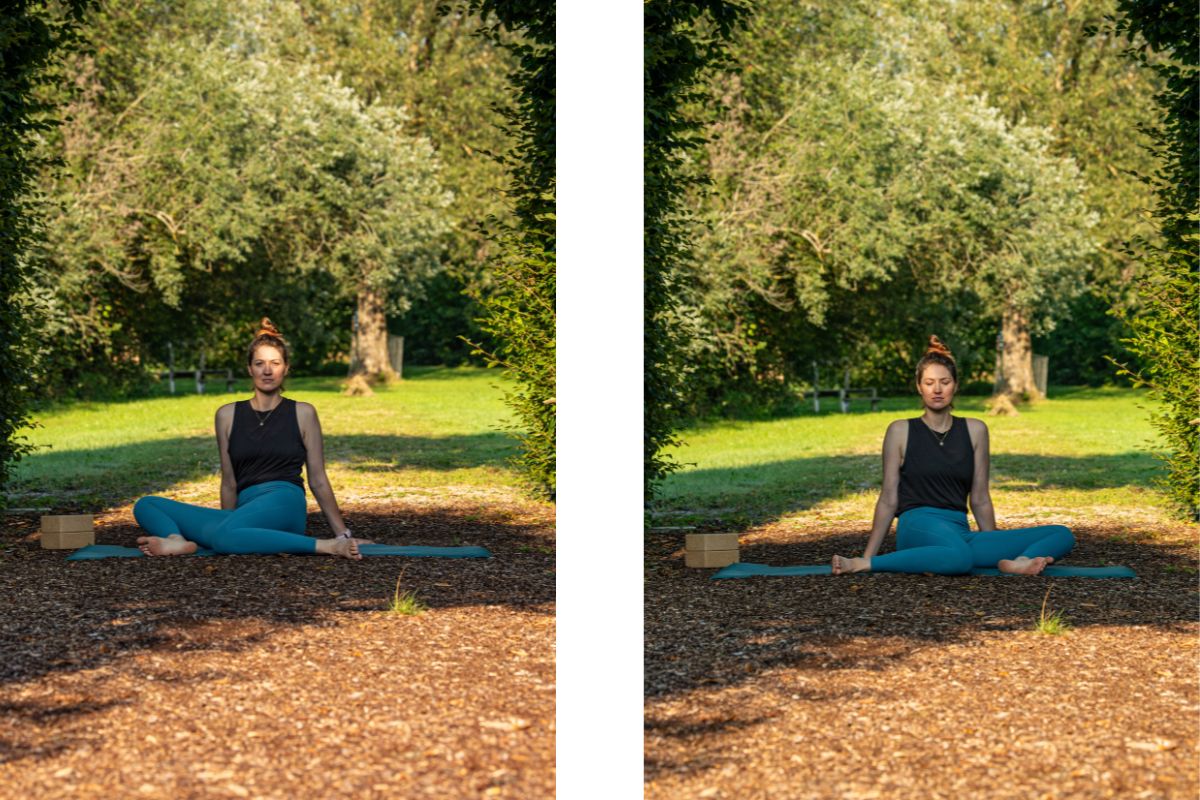
With the 90/90 stance, you can optimally prepare for your first turns and increase your hip mobility. Photo: Juergen Amenda
2. Lizard – stretching the hip flexors & strengthening the core
The Lizard is one of the hip openers used in yoga, stretches the hip flexors, groin and front of the thigh, strengthens the core and ensures greater mobility on ascents and descents.
Here’s how to do it:
We start in a four-footed stance. Step your right foot forward to the outside of your right hand. Align the right knee above the right ankle, the outside of the right upper arm touches the right lower leg. Activate the abdominal muscles to keep the pelvis and upper body stable and straight. The weight is evenly distributed on both hands, the shoulder blades are pulled together, the neck is relaxed and the gaze is directed towards the front. Lower your hips and enjoy the stretch.
Holding time: 30-60 seconds per side
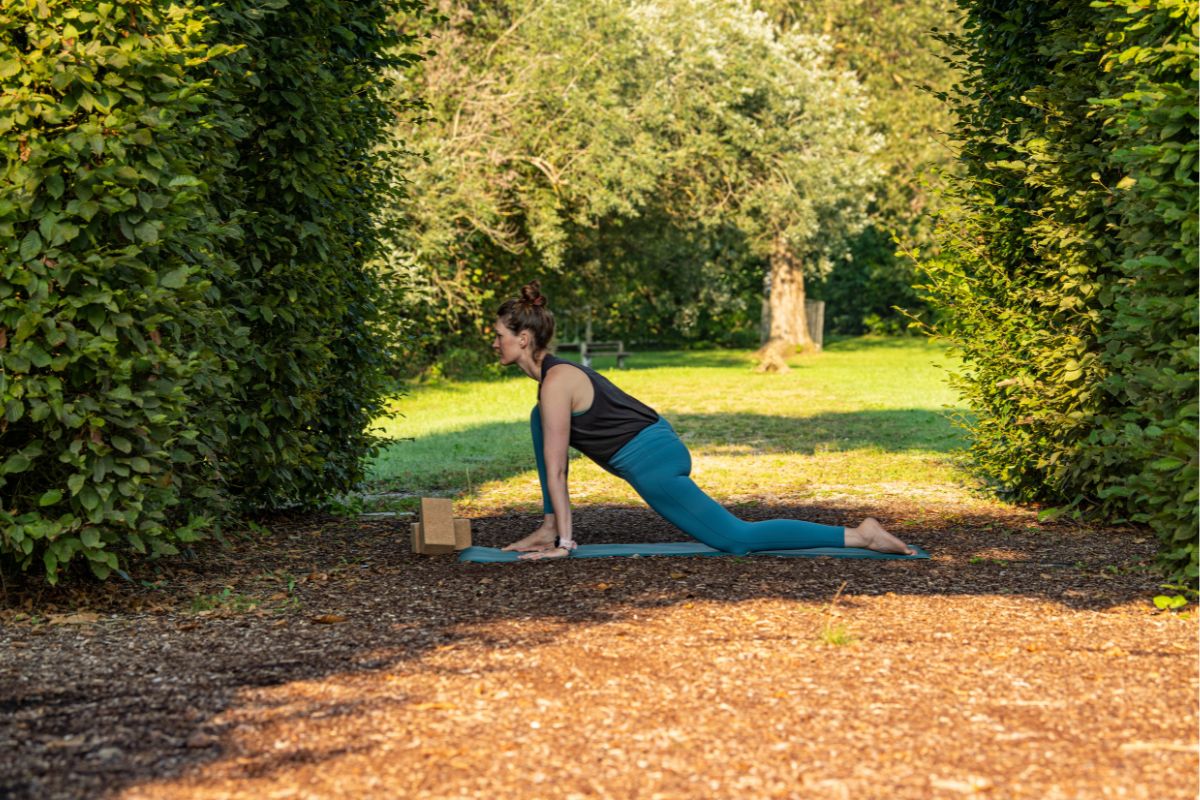
Ski tourers tend to have shortened hip flexors: the Lizard clearly counteracts this. Photo: Juergen Amenda
3. Warrior 2 – strength & focus on tour
Warrior 2 is an absolute yoga classic. It has a holistic effect and strengthens the entire body, activates the legs, glutes and core and gives you mental clarity – perfect for challenging passages when ski touring.
Here’s how to do it:
For warrior 2, start at the beginning of the mat. Bring both hands to your hips and take a big step back with your left foot to start from a hip-width stance. The outer edge of your left foot should be parallel to the short edge of the mat, actively pressing into the mat. Bend your right knee deeply so that it’s ideally aligned at 90° over the ankle. Make sure the knee doesn’t collapse inward. Lift both arms to shoulder height and lower your hips. Keep your gaze forward.
Hold for 5-10 breaths per side.
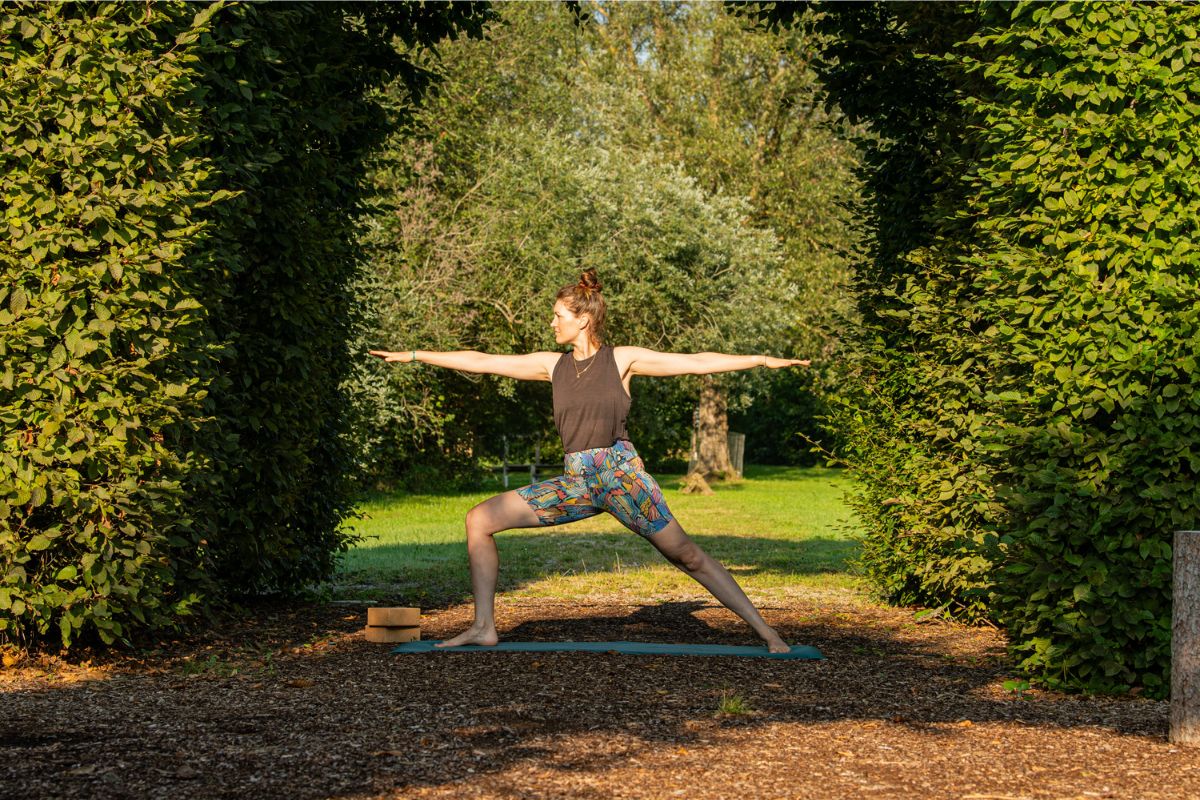
The Krieger 2 is a yoga classic and the perfect preparation for ski tourers. Photo: Juergen Amenda
4. Plank – core stability for ascent & descent
In addition to the leg muscles, the core is also important when ski touring. The plank strengthens your core muscles – particularly important for keeping your upper body stable on long ascents and avoiding injuries on descents and potential falls.
Here’s how to do it:
Start in the Downward-Facing Dog position and shift your weight forward. Your shoulders should be over your wrists, your gaze directed downward, and your neck long. Activate your whole body, draw your navel in and keep your back long. Push your heels back and avoid letting your hips and back sag.
Hold for 10 breaths or more.
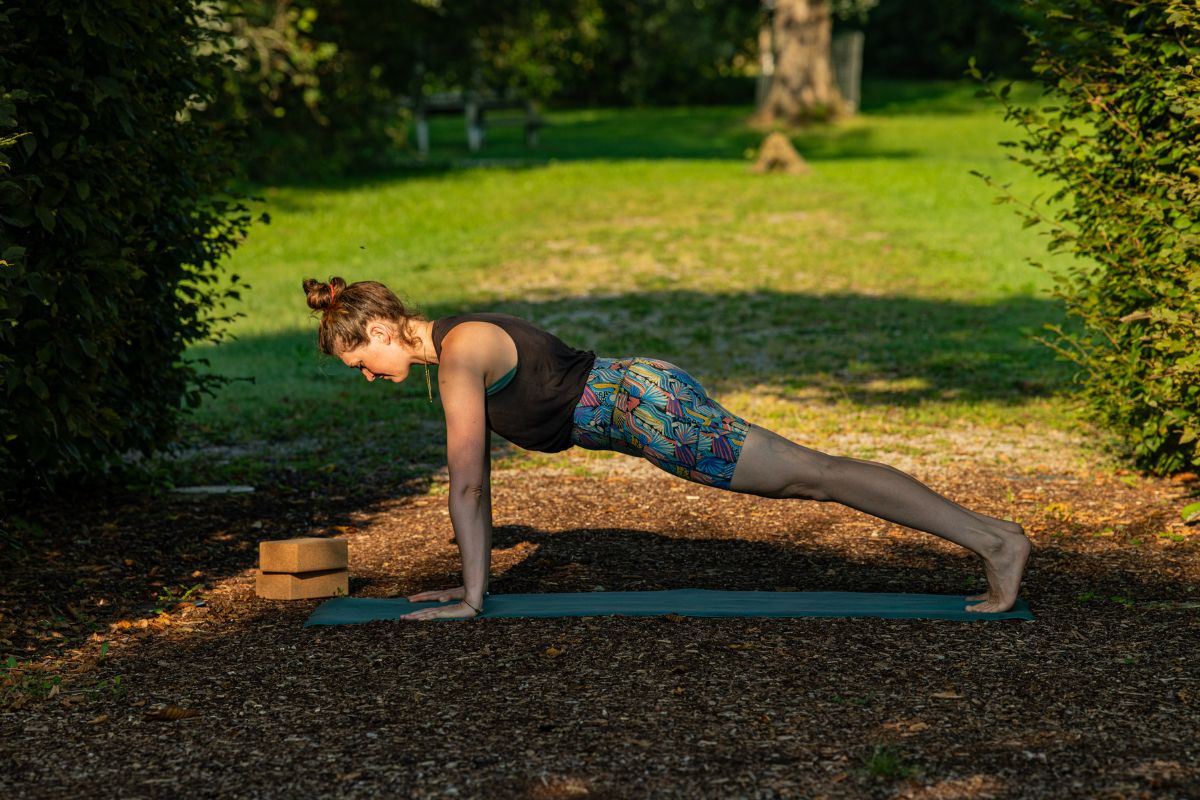
With the plank you get core and core muscles. Photo: Juergen Amenda
5. Peeing dog – playfully mobilise the hips
This dynamic movement is ideal for gently opening the hips and strengthening the buttocks at the same time. I like to teach it at the beginning of my classes as a warm-up.
Here’s how to do it:
Come into a quadruped stand. Now, lift one knee to the side and lower it back down. The movement should come only from the hip joint, so try not to move the hip itself. Engage your abdominal muscles and keep your neck long.
Repetitions: 10-15 per side.
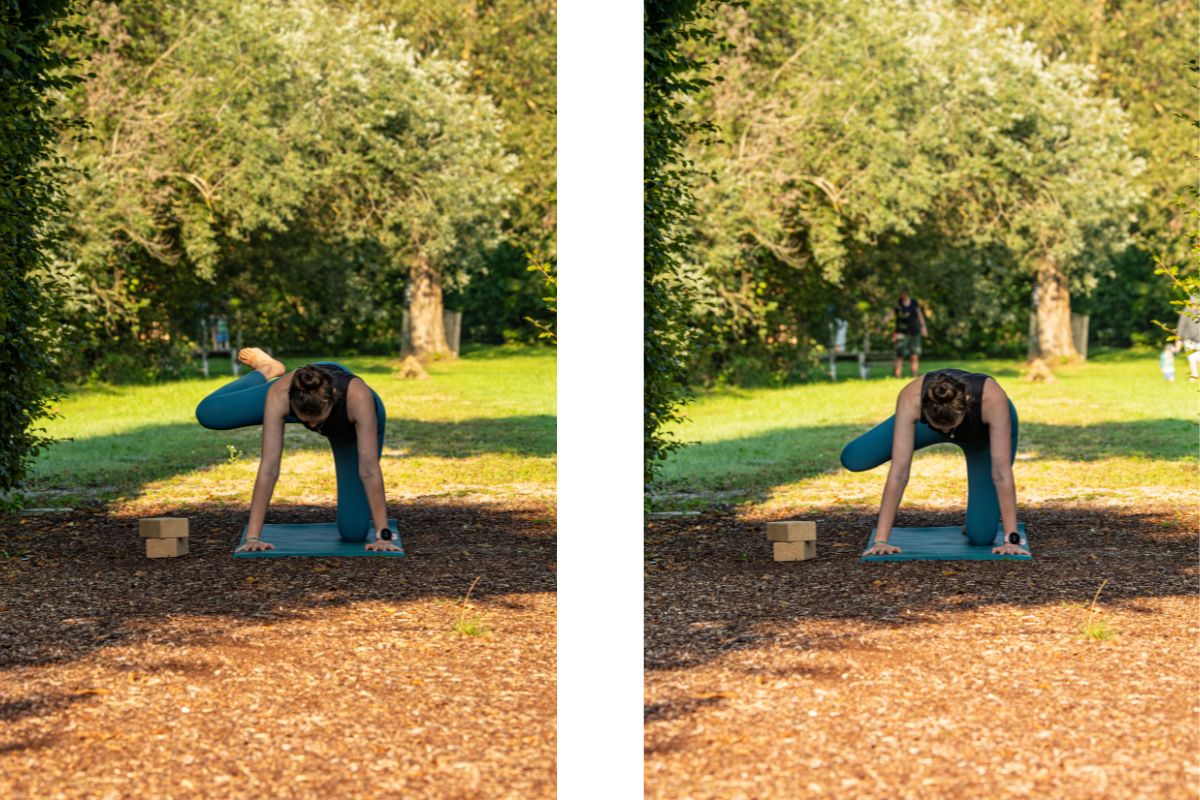
The ‘peeing dog’ mobilises the hips in a playful way and also strengthens the gluteal muscles. Photo: Juergen Amenda
6. Malasana – deep squat for hips & back
What many people don’t realise: Flexible hips are essential for performance on and off the piste. This way, we can prevent lower back pain and protect our knees and shoulders. The easiest way to practise this is with Malasana. This deep squat is a classic for open hips, flexible ankles and a relaxed lower back.
Here’s how to do it:
Stand at the beginning of your mat with your feet wider than hip-width apart and your toes pointing outward. Bend your knees and sit down deeply. Bring your hands together in front of your heart and press your knees apart with your elbows. Slightly lift your hips to avoid collapsing into the hip joint. Keep your back long.
Hold for 5-10 breaths.
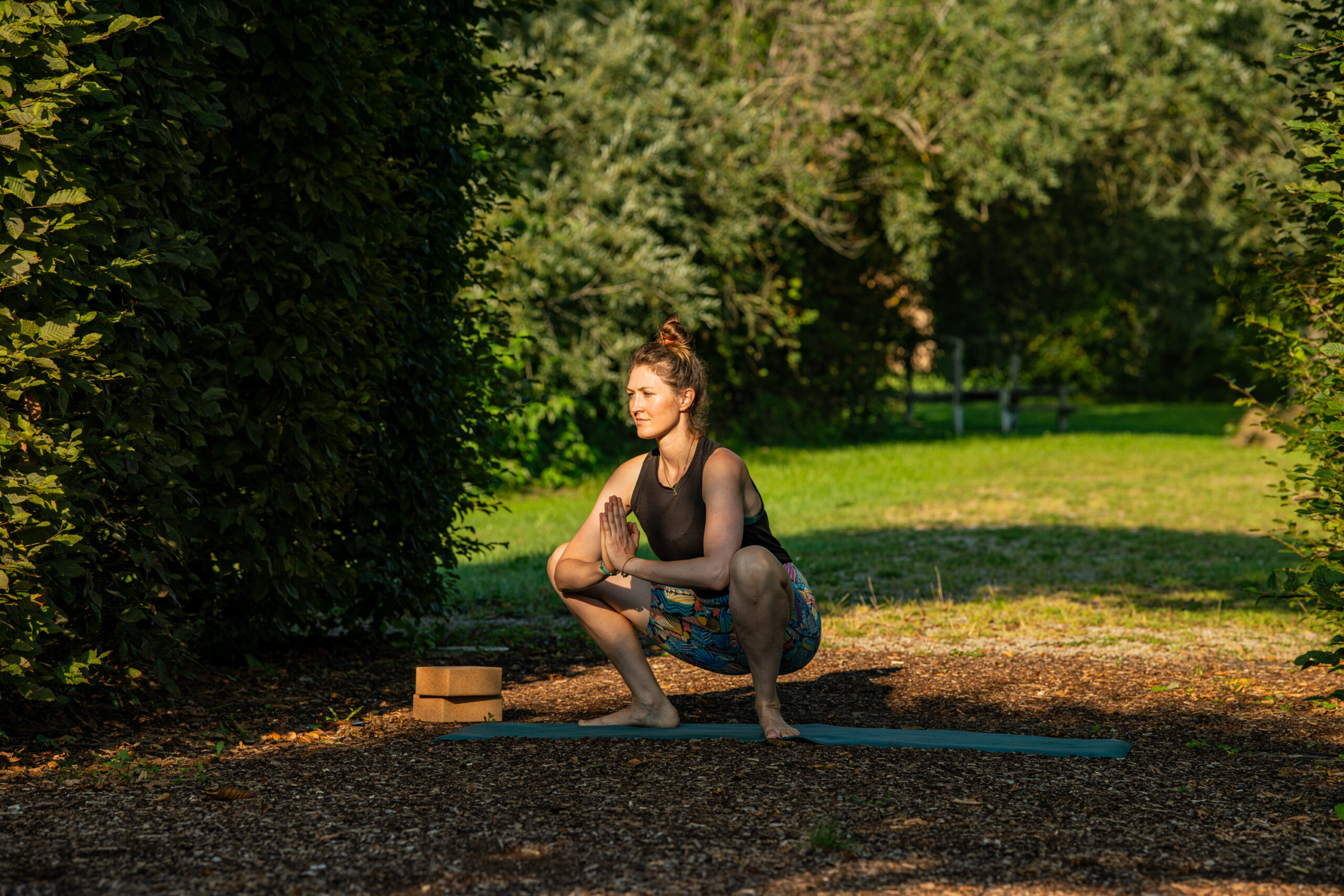
Happy hips and happy ankles is the motto at Malasana. Photo: Juergen Amenda
7. Recumbent pose 4 – regeneration after a day of touring
Ideal for relaxing after a ski tour: this asana stretches the glutes and outer hip muscles, releases the lower back, eases tension in the muscles around the sacrum and has a calming effect.
Here’s how to do it:
Lie on your back and place your feet hip-width apart on the floor. Cross your right ankle over your left thigh. Lift your left leg off the ground and interlace your hands behind your left thigh. The right knee opens to the side. For a deeper stretch, press your right upper arm into your right thigh.
Hold for 10-20 breaths per side.
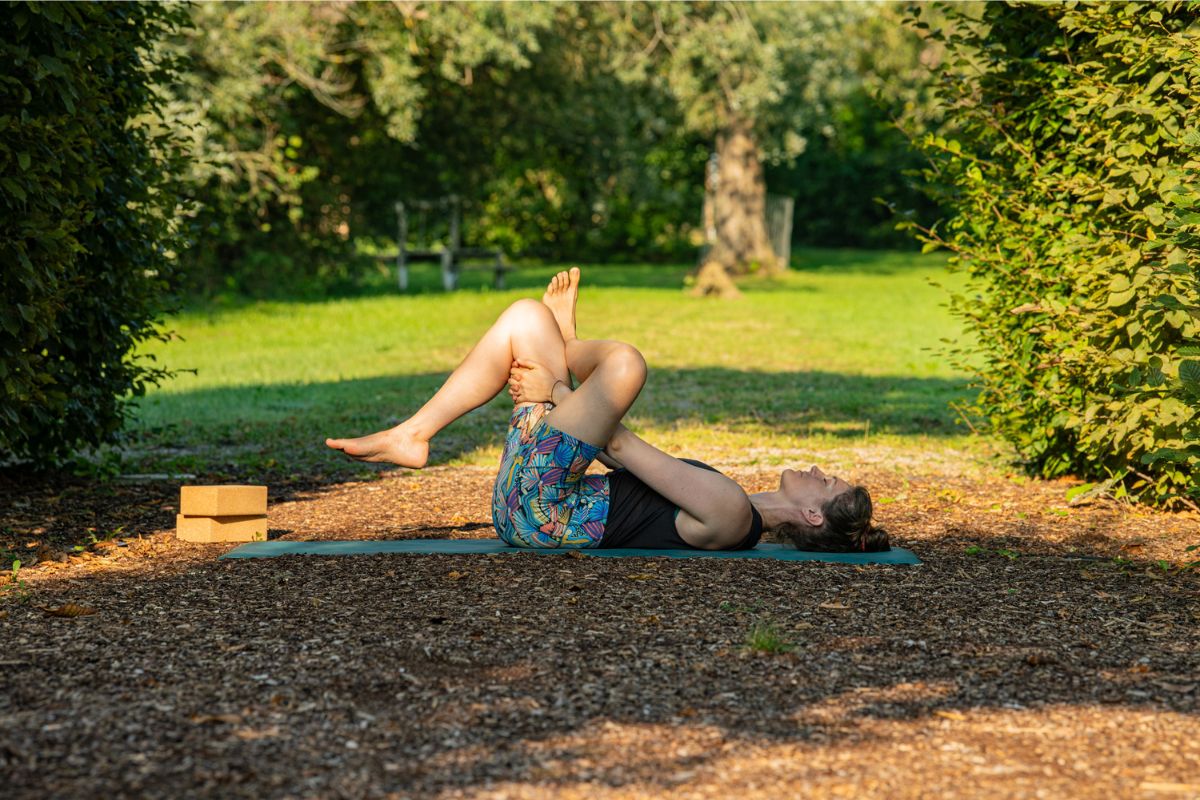
Relieved and relaxed after a long day of skiing: the reclining figure 4. Photo: Juergen Amenda
8. Legs up the wall – your recovery pose
Here we go: My absolute favourite pose after a day of skiing is Viparita Karani, or legs up the wall or in the air – the main thing is high! This exercise relieves tired legs and mild back pain, gently stretches the back of the legs, the torso and the neck. It also calms you down and lets you switch off completely and generally supports regeneration after ski tours.
Here’s how to do it:
Find an empty wall, a door, or use a block or bolster. Lie on your back and slide your hips all the way to the door, or place the block/bolster under your sacrum. Extend your legs upward. Keep your arms relaxed by your sides.
Hold for 5 minutes or until you feel a tingling in your feet.
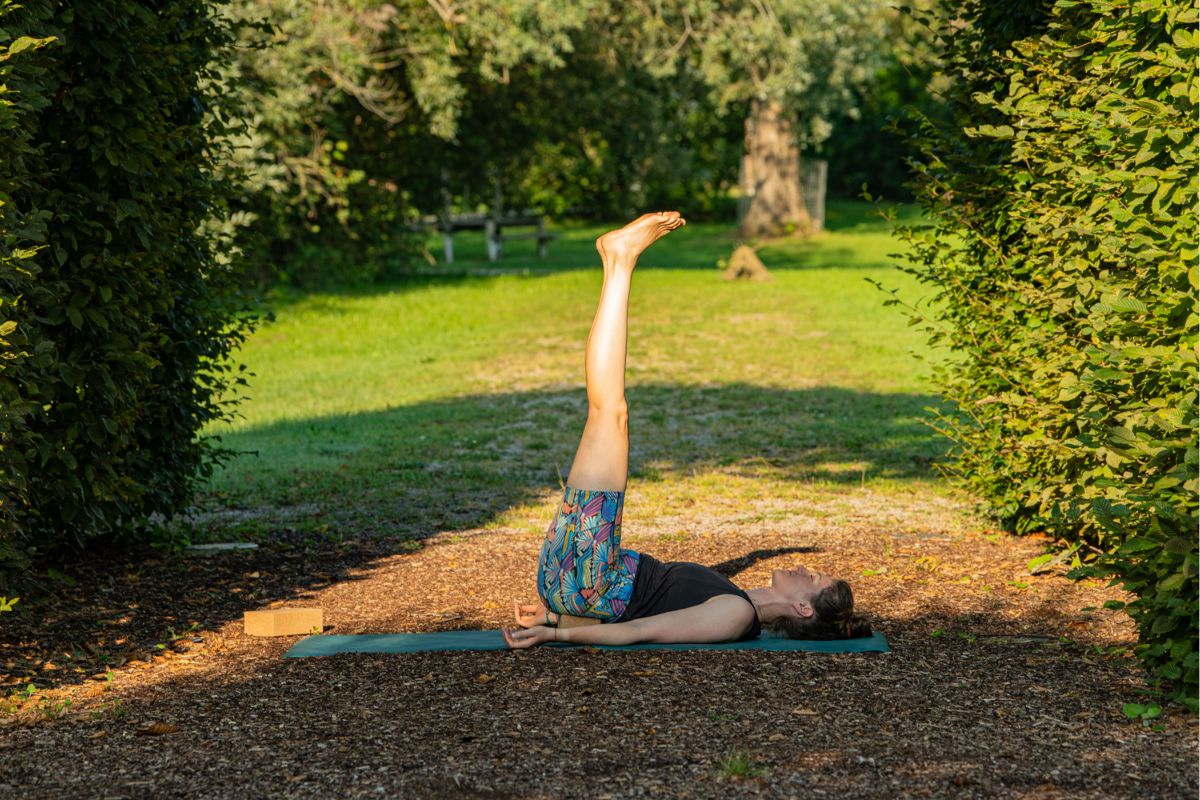
Put your feet up and relax: After the ski tour off to Viparita Karani. Photo: Juergen Amenda
CONCLUSION: YOGA IS THE PERFECT WAY TO PREPARE FOR SKI TOURING – AND TO RELAX AFTERWARDS
Whether you’re a beginner or a touring pro – yoga for ski tourers improves your flexibility, reduces the risk of injury and gives you more control on tour. Hip mobility in particular is crucial – not only for clean turns, but also to take the strain off your back and knees.
This might also interest you